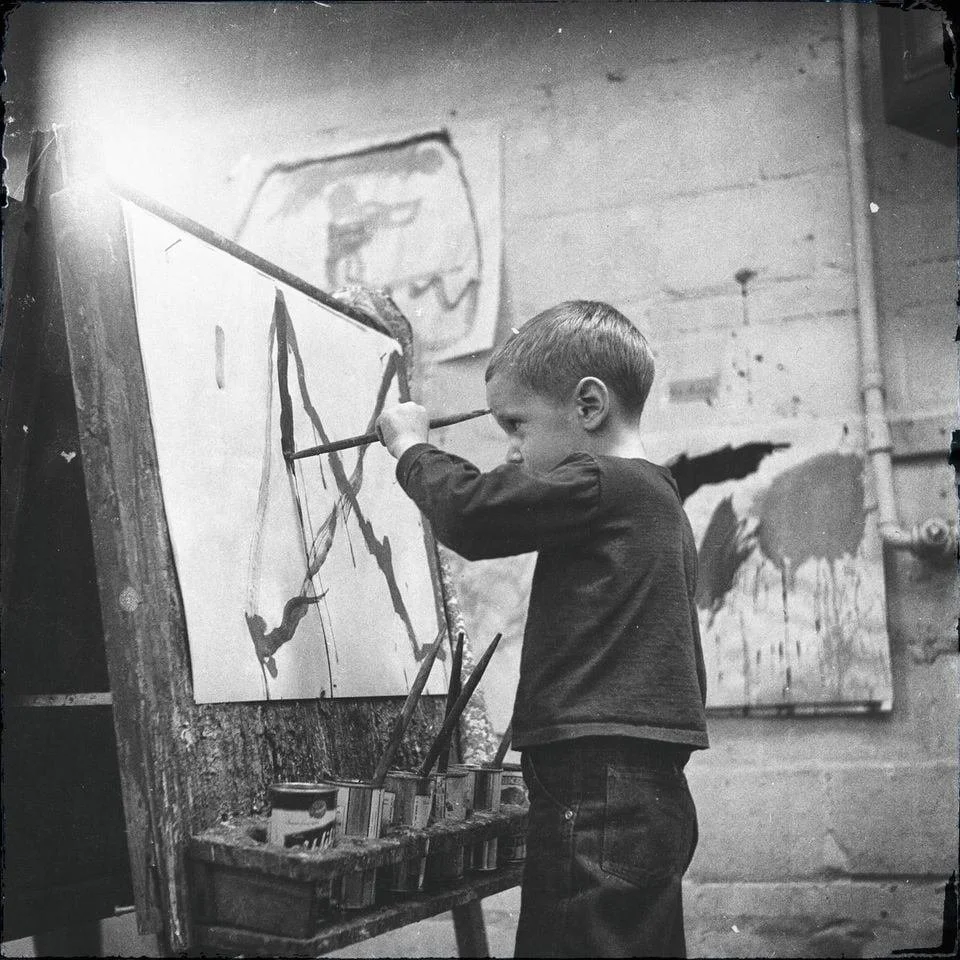
Sculpting David
Like the marble two sculptors rejected before Michelangelo, our neurodivergent students hold hidden potential—if we choose to see their exceptionalities.
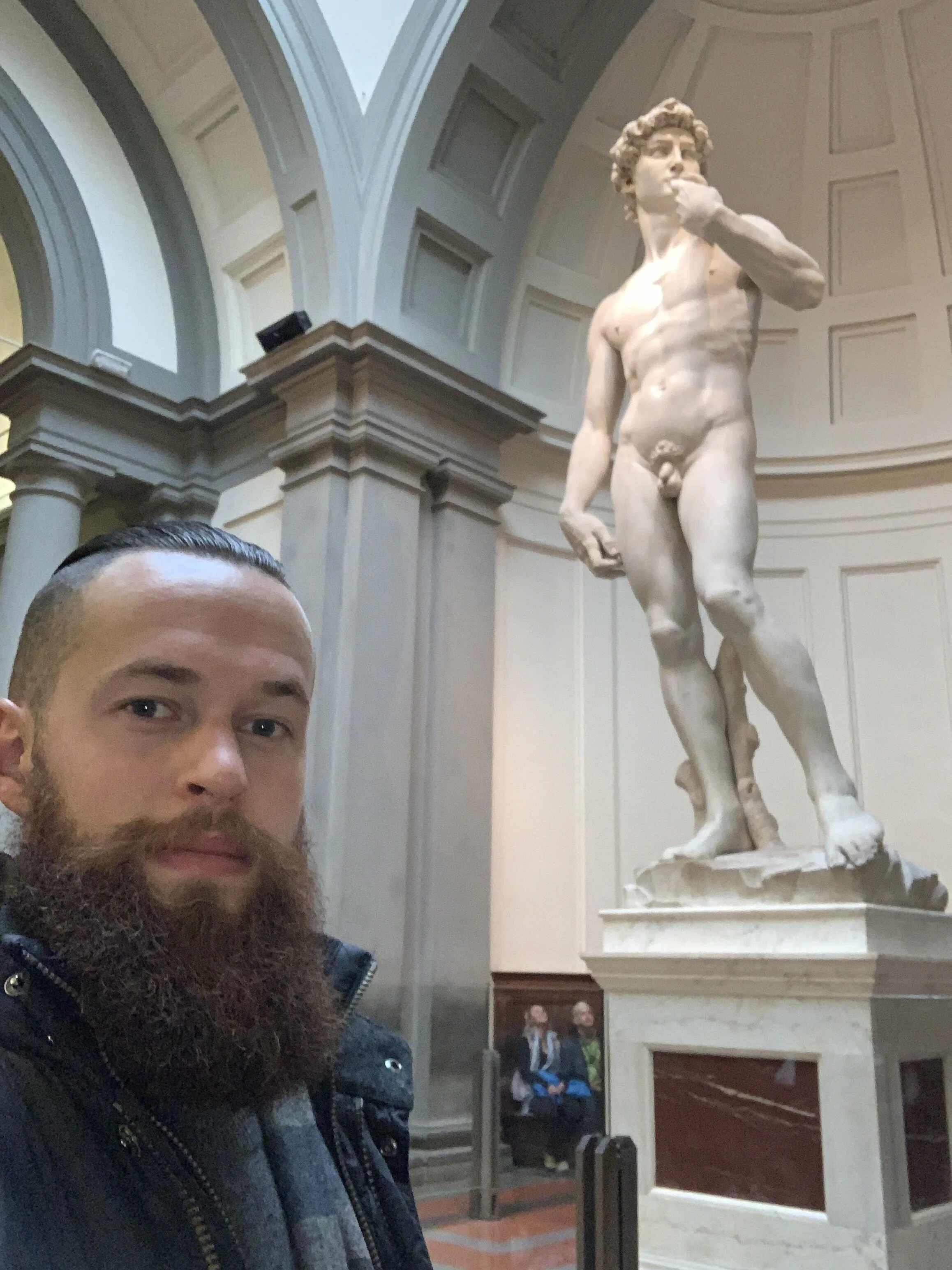
For many, Michaelangelo’s ICONIC David statue is the embodiment of art. Stylistic perfection! What many people don’t know is that originally, Michelangelo wasn’t even meant to sculpt the David. In fact, he wasn’t even the second choice…
Originally, an artist by the name of Agostino di Duccio was commissioned to sculpt the marble. Shortly after signing up, he quit… It was then decided that Antonio Rossellino would pick up the project. Sadly, Rossellino followed in his predecessor’s footsteps and quit shortly thereafter…

(Please don’t judge; I used to have a giant beard.)
Both sculptors rejected the enormous block of marble due to the presence of what they both thought were too many imperfections. They failed to see the potential in this beautiful stone. They chose only to see it’s challenges…
Stop me if any of this sounds familiar! Do you know a David? Have a neurodivergent student that you know is bright, beautiful, contains so much promise, but is often characterized by what she/he/they cannot do?
Our students need us to be Michelangelos! We must be sure to see them for all of their exceptionalities! We must choose to see these “imperfections” that others see, not as flaws, but challenges to overcome to release their inner art!
As parents and professionals, we’re always looking for ways to support and develop our students and help them become their best selves.
I am delighted to share some brilliant ways to do just that!
Click here to learn more about our fall programs that are sure to unleash that beautiful potential that you see in your children =)
Let’s break out our chisels and tap into our students’ passion, creativity, and love of learning.
About Young Scholars Academy
Young Scholars Academy is a WASC-accredited virtual learning community offering 200+ live online courses and camps for gifted or 2e children ages 5–18, in classes of 6–8 students, led by neurodivergent mentors. Young Scholars Academy currently serves 1,200+ families across 47+ states and 17 countries, with a 93% semester-over-semester re-enrollment rate. ESA funding is accepted in 10+ states.
Explore Fall CoursesYou don't have to figure this out alone.
Right now, a kid who thinks like your kid is in a class they chose, with a mentor who was once just like them, surrounded by friends who don't think they're weird... they think they're interesting.
200+ courses for kids who think differently.
Live online. Classes of 6–8. Mentors who were these kids. WASC accredited.
Explore Fall CoursesTrusted by families like yours
1,200+ families across 47+ states. 93% re-enroll.
They found their people here. So can your child.
Explore Fall CoursesRecommended for readers of Twice-Exceptional
Find a twice-exceptional class that fits your child.
Small groups of 6–8, led by mentors who get how your kid thinks.
Explore Fall Courses5 Signs Your Gifted or 2e Child Is Being Under-Served
A free, practical guide — plus early invites to expert talks, AMAs, and new course launches.
No spam. Unsubscribe anytime.
You're in! Check your inbox for the guide. ✨
You're already in the village
Here's what's open right now.
Live online. Classes of 6–8. Mentors who were these kids. WASC accredited.
Explore Fall Courses