When the World Wasn't Built for Your Child: Finding Strength and Hope
An encouraging letter to parents of neurodivergent kids — why the world isn't built for our children yet, how things are changing, and how to find strength.
This week has been something else…
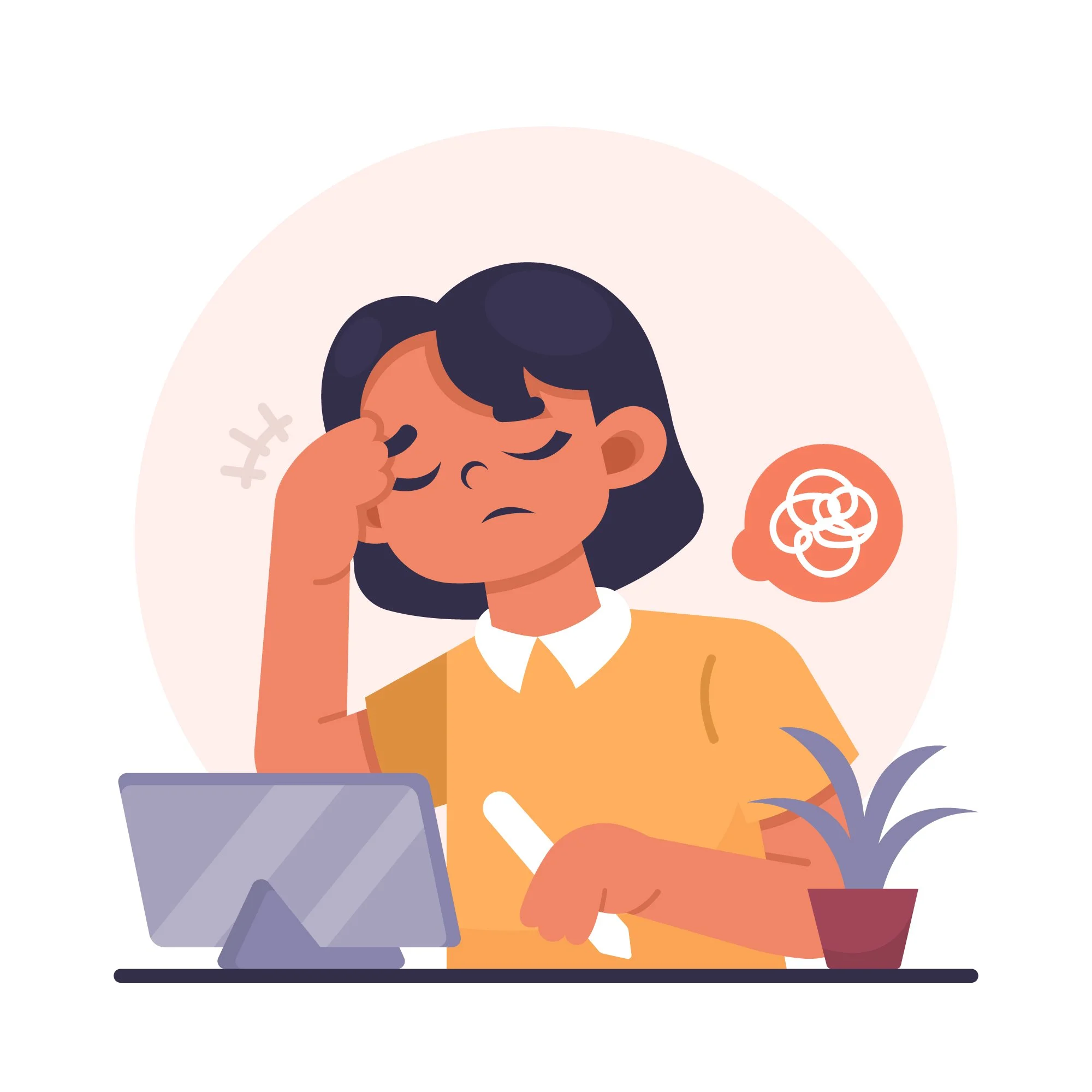
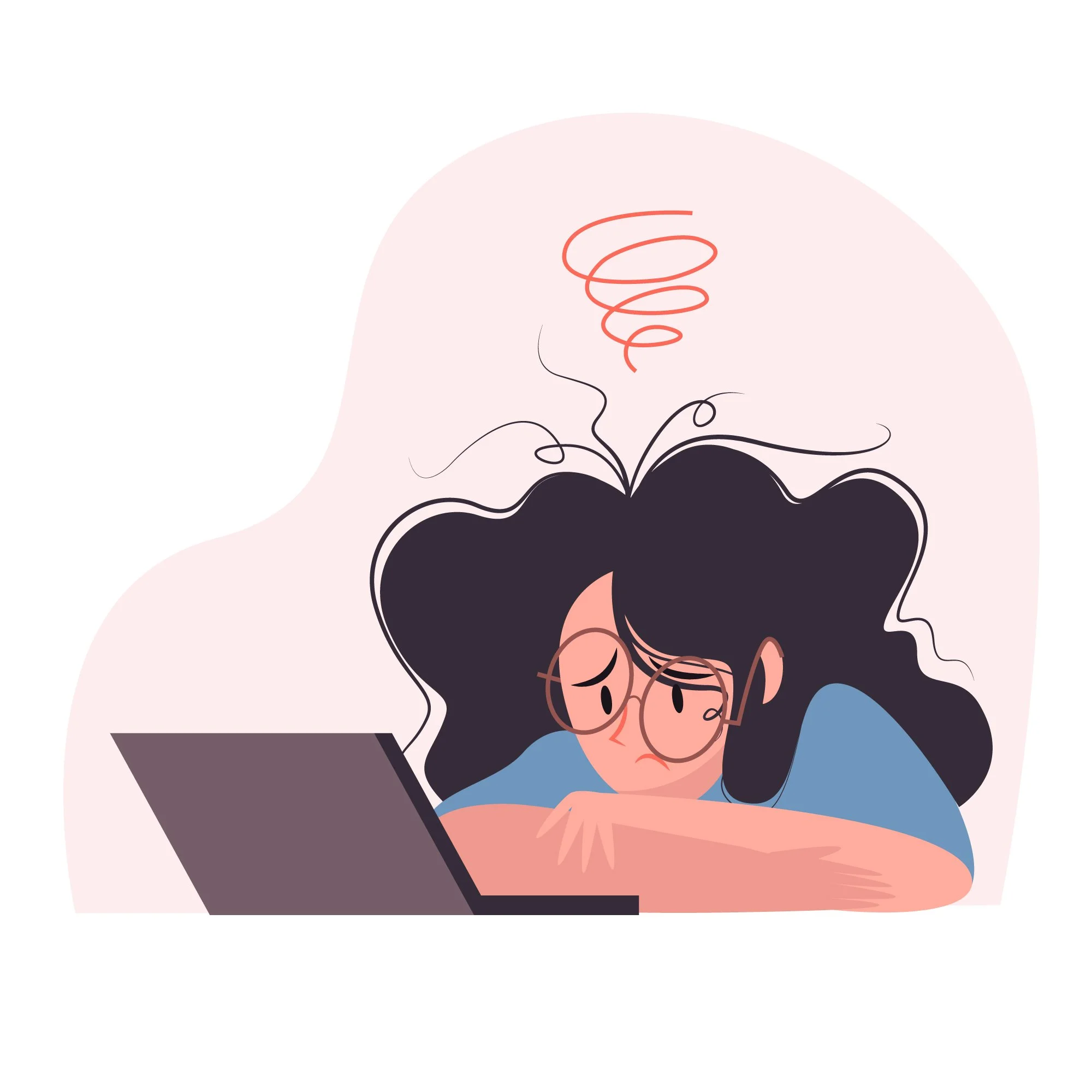
I’ve been hearing from so many parents in our immediate YSA community, and also in my personal and professional circles, about how hard things are for our 2e kids right now—and for us parents.
It’s been a flood of doubts, fears, frustrations and worries this week it feels like.
I had a parent say to me:
“Thanks for liking my kid”
and that really hit home…
Who doesn’t like kids? Kids are the coolest! All kids should be in spaces where they are seen and valued by those around them. It shouldn’t be an exception.
But here’s the truth: the world we currently live in is not designed for neurodivergent kids. The spaces our children are often expected to operate in—schools, social settings, and even some family gatherings—aren’t made for them. They face environments and expectations that can be overwhelming and unaccommodating, which can leave them feeling out of place, undervalued and othered.
Amidst this reality and the feeling of constantly swimming upstream, I want to tell you (and myself) something very important:
-
You are doing a great job!
-
You are exactly the parent your child needs.
-
Your child is incredible—smart, funny, loving, interesting, and just plain awesome!
I know all we hear is the opposite. I know we’re getting those weekly (sometimes daily) calls from school. I know all the feedback from “out there” about our kids is negative, and sometimes it feels like it’s all just too much. But truly, even if it doesn’t always feel like it, we’re doing this really hard thing and we’re doing it well!
Things Are Changing
The good news is that things are changing. It may feel slow—frustratingly slow—but there are shifts happening, with a growing awareness that traditional models don’t work for everyone. Many are advocating for more inclusive, flexible learning environments. Historically, educational practices often failed to accommodate neurodivergent students, relying on rigid frameworks that prioritized conformity over individuality.
However, over the last couple of decades, there has been a movement towards inclusivity, fueled by advocacy from parents, educators, and notably, neurodivergent individuals themselves who are now leading the charge for change. These change-makers were once just like our kids, navigating challenges and discovering their unique paths. Their voices and experiences are shaping conversations about what needs to happen for future generations. As parents, it’s vital to connect our children with these advocates, allowing them to see role models and mentors who truly understand their experiences. Personally, I’ve learned so much from listening to these advocates. Their insights have deepened my understanding of how to create more supportive spaces and advocate effectively for my own kids.
Our collective goal should be to work towards a society that goes beyond just acceptance but actively embraces neurodiversity in all of its colors.
Educating Ourselves
One of the most powerful things we can do is to educate ourselves as much as possible. This means joining online groups led by neurodivergent adults, where we can hear directly from those with lived experiences. These insights offer invaluable perspectives that must shape our understanding of neurodiversity. Some of my personal favorite online resources include “Neurowild,” “Occuplaytional Therapist,” and “Neurodivergent Parenting: Thinking Outside the Box.”
Participating in 2e parenting groups, both online and in person, can also provide vital community support and resources. I recently joined the parent group at YSA, and I am truly enjoying the sense of community I am finding there. YSA often hosts informed guest speakers, which provide valuable knowledge and information.
Tilt Parenting and Bright and Quirky are also amazing resources and supports for parents of 2e kids. These are just a few resources, but there are so many wonderful ones out there if you dig around a bit!
Reading neuro-affirming literature is also essential. There are countless resources available—books, articles, podcasts, and blogs—that can deepen our understanding of neurodiversity through a strength-based, neuro-affirming lens. I particularly appreciate the works of Drs. Ross Greene, Mona Delahooke, and Naomi Fisher, but again, there are so many excellent works out there!
The more we learn, the better equipped we become as advocates and changemakers. By arming ourselves with knowledge, we gain the vocabulary and confidence to advocate for our children and for ourselves. This empowerment allows us to trust our instincts against the opinions of deficit-minded “experts” and gives us the courage to explore uncharted paths if we believe that’s what’s best for our kids.
So, What Do We Do in the Meantime?
We remember that we are the experts on our children. We know them and love them best. We shift our focus inward—on developing ourselves and our vision for what works best for our families. This means connecting with our 2e kids on a deeper level, truly leaning in and savoring the moments we share with them. We work to create unconditionally safe spaces at home where they can both rest and grow.
In these spaces, we encourage exploration of their interests and strengths, celebrating their individuality. We make time for activities that they enjoy and engage in conversations that matter to them, allowing them to feel seen and valued.
By nurturing these connections, we build resilience and trust, providing a foundation that helps them thrive in a world that may not always understand them.
And finally…we always remember that we are doing enough and that we are enough.
About Young Scholars Academy
Young Scholars Academy is a WASC-accredited virtual learning community offering 200+ live online courses and camps for gifted or 2e children ages 5–18, in classes of 6–8 students, led by neurodivergent mentors. Young Scholars Academy currently serves 1,200+ families across 47+ states and 17 countries, with a 93% semester-over-semester re-enrollment rate. ESA funding is accepted in 10+ states.
Explore Fall CoursesYou don't have to figure this out alone.
Right now, a kid who thinks like your kid is in a class they chose, with a mentor who was once just like them, surrounded by friends who don't think they're weird... they think they're interesting.
200+ courses for kids who think differently.
Live online. Classes of 6–8. Mentors who were these kids. WASC accredited.
Explore Fall CoursesTrusted by families like yours
1,200+ families across 47+ states. 93% re-enroll.
They found their people here. So can your child.
Explore Fall CoursesRecommended for readers of Parent Support
Find a parent support class that fits your child.
Small groups of 6–8, led by mentors who get how your kid thinks.
Explore Fall Courses5 Signs Your Gifted or 2e Child Is Being Under-Served
A free, practical guide — plus early invites to expert talks, AMAs, and new course launches.
No spam. Unsubscribe anytime.
You're in! Check your inbox for the guide. ✨
You're already in the village
Here's what's open right now.
Live online. Classes of 6–8. Mentors who were these kids. WASC accredited.
Explore Fall Courses