When All the Pieces Fall
An honest reflection on parenting through depression — and discovering that our most important relationships are sturdier than they seem.

I don’t know how to start this piece…
I want to talk about juggling responsibilities, or assure you, dear reader, that failure is always part of the process. I want to have the right words in the right order, but I just can’t seem to start it off right… but maybe the starting of something is the hardest part.
I think I’ll start with a story:
Once upon a September…
I went through an intense depressive lull. For those of you who have depression or love someone who does, you know that it can be cyclical or seasonal. It can come and go. It can look like someone is fine on the outside, but inside they are hollowed out and ragged.
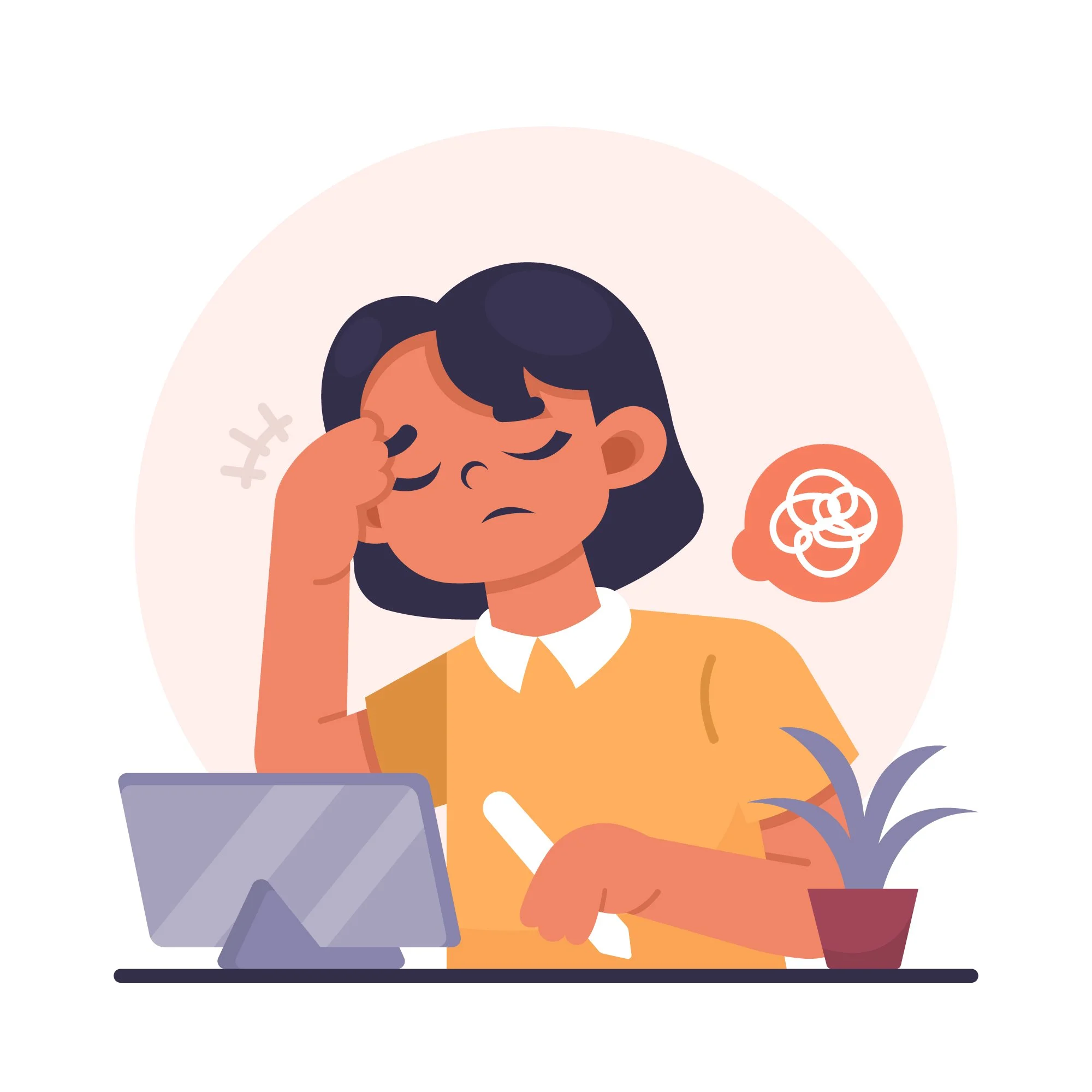
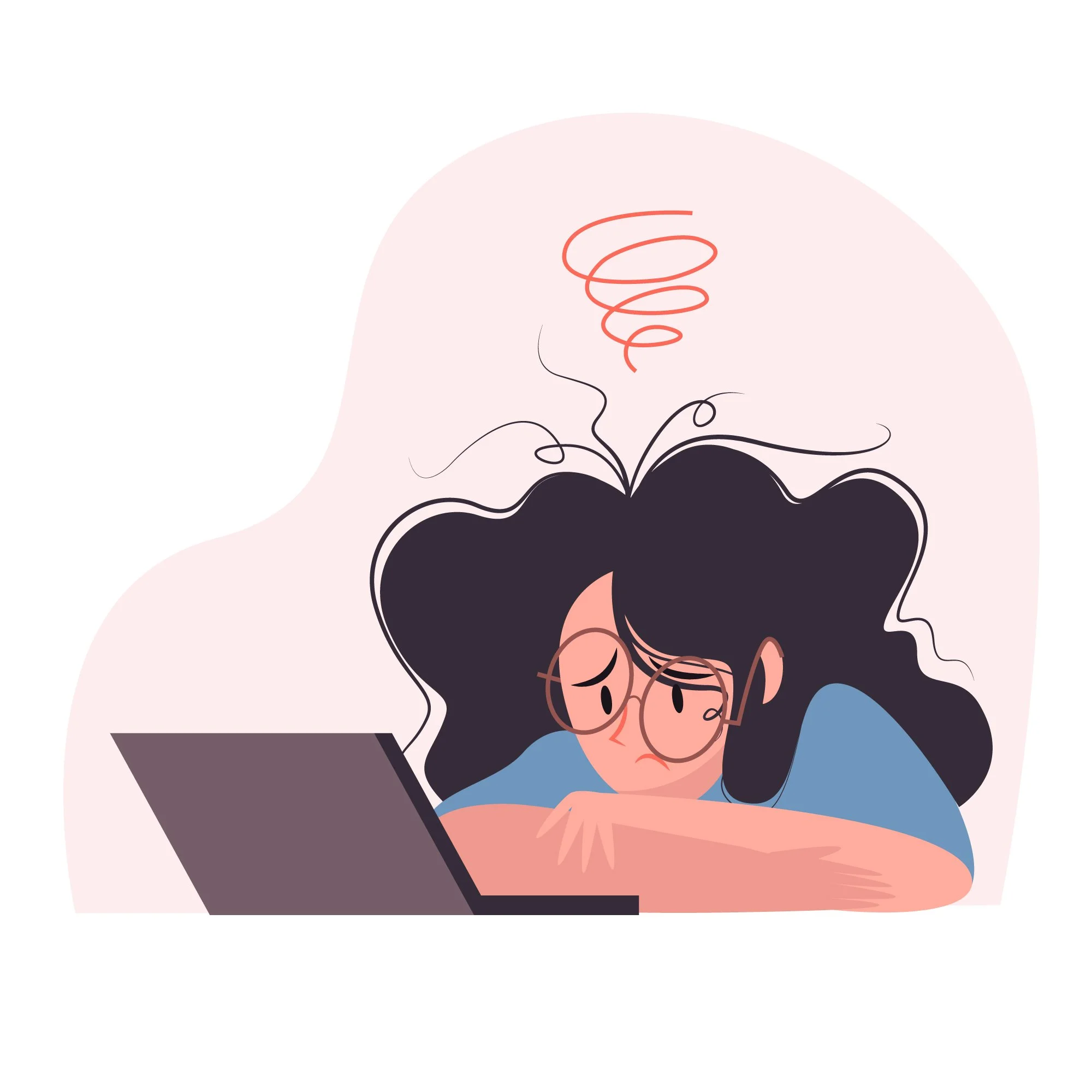
Depression can look like a thousand things. My depression looked like a frazzled mom meme, but I felt like I was all alone at the bottom or a dark well.
I was late for everything – which meant my kids were late for everything. I forgot to pack lunches. I did the bare minimum. My kids ate chicken nuggets or taquitos most days for lunch and take out for dinner. I yelled more than normal, watched way more TV than normal, and basically introverted into myself. Thankfully, my partner was there to help keep the family moving and doing more than playing video games, watching YouTube, or eating fast food.
One by one, all the balls I had been juggling fell…
I’ve become used to my depression, and when I felt the tide creeping in, I set down all the responsibilities that I could – canceling appointments, delaying work responsibilities, prepping meals, etc.
Once my depression hit, I felt like I was underwater. This was not a tide – it was a tsunami, and I could not catch my breath.
Weeks went by, and more balls fell. I felt like I was dropping and breaking even the most precious things – my relationship with my family when I watched TV over jumping on the trampoline, my kid’s health when we missed planned doctors’ visits, and even my career goals as I missed grad school assignments or contract deadlines.
But depressive lulls, like tides, have an ebb and a flow. As mine ebbed away, I was able to see the shattered pieces of my expectations strewn about like broken ornaments. I started picking up all my dropped responsibilities – starting with relationships.
The thing we can’t see in the middle of depression is that so many of the things we thought were broken or irreparably harmed are just a little dusty.
Deep relationships aren’t fragile things but are instead sturdy and durable – able to withstand pressure and impact with the ground when they fall.
I also found that when I thought I had dropped the ball in many of my relationships, others picked it up. My partner took up the task. He kept me afloat when I was drowning. My kids snuggled in bed with me and we watched TV together. My friends connected and reached out when I couldn’t. Teachers and employers were understanding and happy to help me catch up on projects.
I imagined I would come back to a shattered life, but instead, my life was more like an overgrown, healthy garden. It needed some work, but beautiful things were still growing. Very few things in life have no coming back.
So if you are in the lulls of life, maybe due to grief or depression or any number of things, know that this is just a chapter in the story of your life.
Knowing that it is only a chapter doesn’t mean it hurts less or means less, it just means that it will end. You have more chapters to write. You just have to start.
I hope, dear reader, that you know that you are amazing.
I hope you know that we all fail and drop the ball sometimes.
I hope you find grace in all things you do, and that you give others that same grace.
I hope that if you are feeling depressed, anxious, or overwhelmed, you know you have support and help.
I hope your tides will change soon.
If you or someone you know is having feelings of suicide or self-harm, please call or text the national suicide hotline at 988. A list of mental health hotlines and warmlines can be found here.
About Young Scholars Academy
Young Scholars Academy is a WASC-accredited virtual learning community offering 200+ live online courses and camps for gifted or 2e children ages 5–18, in classes of 6–8 students, led by neurodivergent mentors. Young Scholars Academy currently serves 1,200+ families across 47+ states and 17 countries, with a 93% semester-over-semester re-enrollment rate. ESA funding is accepted in 10+ states.
Explore Fall CoursesYou don't have to figure this out alone.
Right now, a kid who thinks like your kid is in a class they chose, with a mentor who was once just like them, surrounded by friends who don't think they're weird... they think they're interesting.
200+ courses for kids who think differently.
Live online. Classes of 6–8. Mentors who were these kids. WASC accredited.
Explore Fall CoursesTrusted by families like yours
1,200+ families across 47+ states. 93% re-enroll.
They found their people here. So can your child.
Explore Fall CoursesRecommended for readers of Parent Support
Find a parent support class that fits your child.
Small groups of 6–8, led by mentors who get how your kid thinks.
Explore Fall Courses5 Signs Your Gifted or 2e Child Is Being Under-Served
A free, practical guide — plus early invites to expert talks, AMAs, and new course launches.
No spam. Unsubscribe anytime.
You're in! Check your inbox for the guide. ✨
You're already in the village
Here's what's open right now.
Live online. Classes of 6–8. Mentors who were these kids. WASC accredited.
Explore Fall Courses