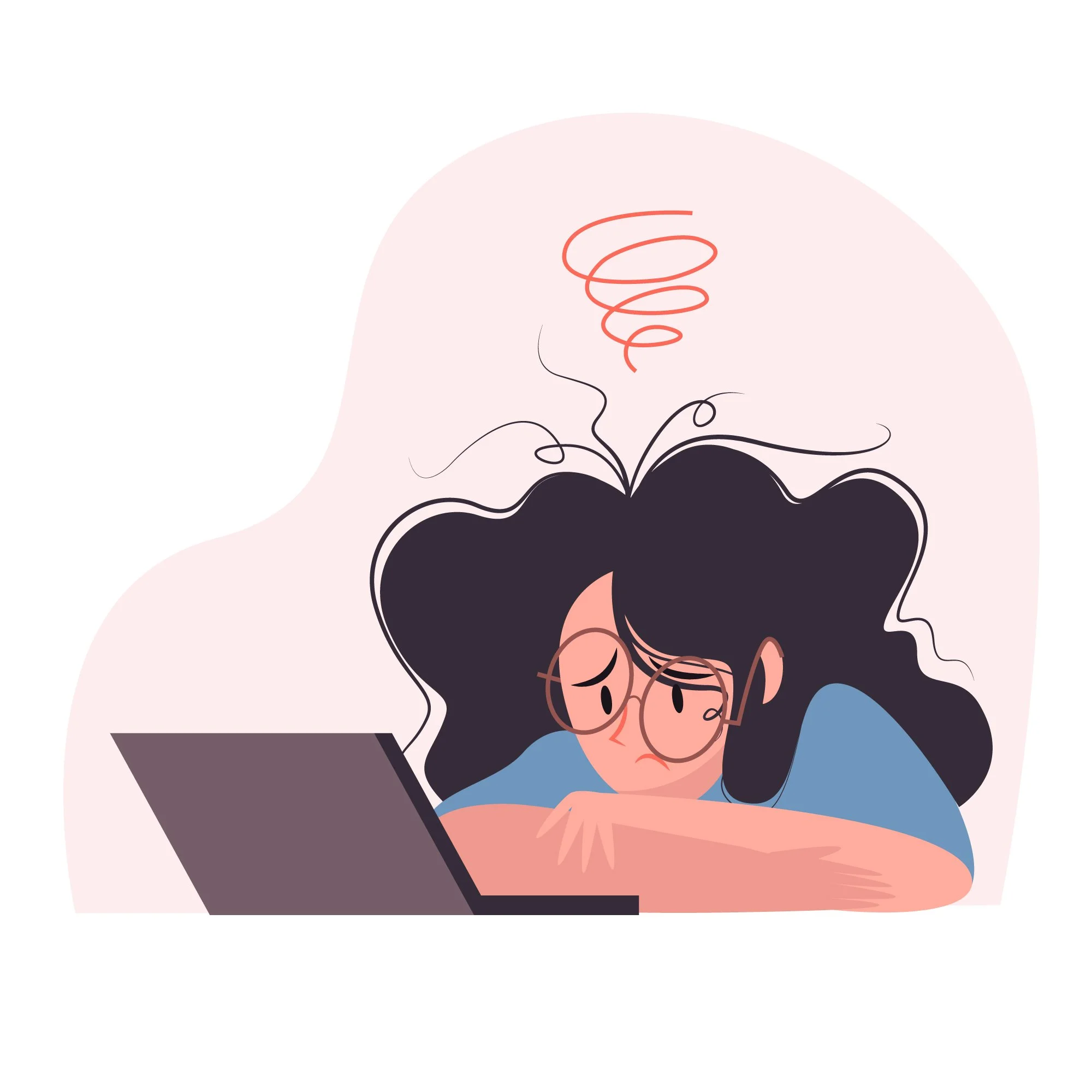
When Big Feelings Overflow: Supporting Our 2e Kids Through Emotional Storms
Parent coach Tosha Schore shares strategies for supporting twice-exceptional kids through emotional storms and meltdowns with connection over correction.
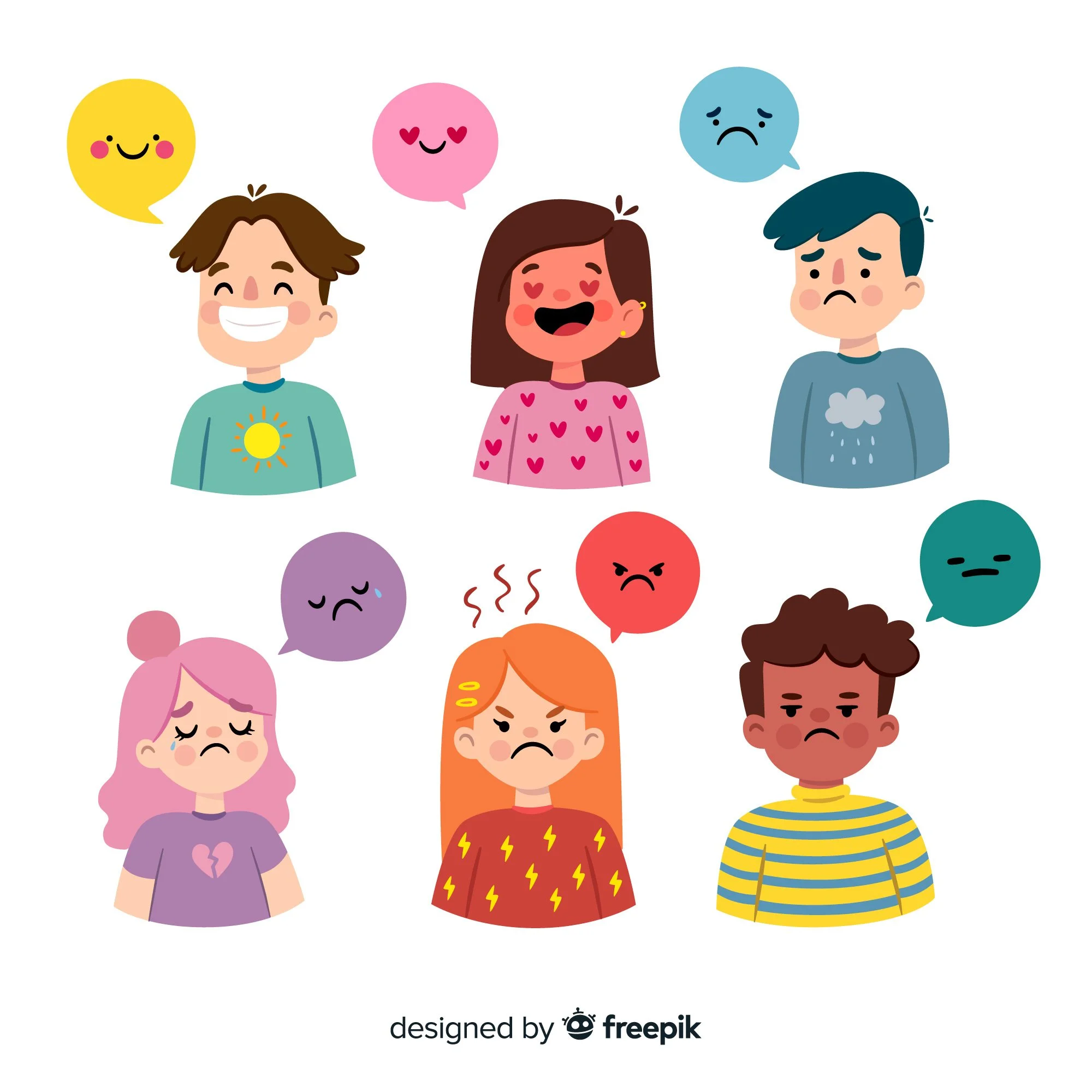
When Big Feelings Overflow: Supporting Our 2e Kids Through Emotional Storms
Insights from our recent expert talk with parent coach, Tosha Schore.
The thrown remote control. The homework standoff that escalates into a two-hour battle. The sweet child who seems to save their biggest emotional explosions for the person who loves them most—you.
Sound familiar?
Parent coach Tosha Schore recently visited our Young Scholars community to talk about something many of us desperately needed to hear: your child isn’t giving you a hard time—they’re having a hard time. And the behaviors that exhaust and confuse us? They’re actually forms of communication.
Understanding the 2e Emotional Storm
Tosha defines challenging behaviors broadly—verbal outbursts, throwing objects, meltdowns, even self-directed actions when overwhelmed. But here’s her crucial insight: these behaviors are fear in disguise.
When our 2e kids struggle with emotional regulation, their nervous system is sensing danger. Their twice-exceptional brains process the world with heightened intensity. What looks like defiance is often a child whose system is completely overwhelmed—maybe from sensory overload, perfectionist tendencies, or the exhausting work of masking their differences all day. Recognizing this as fear instead of defiance is often the first step toward understanding and connection.
The “Can’t” vs. “Won’t” Game-Changer
Stop for a moment and consider this: when your child melts down over homework or shuts down completely, are they choosing to be difficult, or can their developing brain simply not access the skills you wish they had?
This shift from “won’t” to “can’t” changes everything. Shifting our mindset from, “My child won’t cooperate,” to “My child can’t cooperate,” allows us to access empathy more easily.
Instead of wondering why they’re being so difficult, we can ask: “What does my child need right now to succeed?” This isn’t about lowering expectations—it’s about meeting them where they are and building skills over time.
When they sense that we’re on their team, change in their behavior becomes possible. Not because we’ve “fixed” them, but because they feel safe enough to try.
The Emotional Backpack
Picture your 2e child carrying an invisible emotional backpack. Throughout their day, it fills with:
- Sensory overwhelm from fluorescent lights and cafeteria noise
- Social exhaustion from navigating neurotypical peer interactions
- Perfectionist anxiety about making mistakes
- The cognitive load of constantly translating between their inner world and others’ expectations
By evening, that backpack is heavy. Homework isn’t really about the math problem—it’s often the final straw for an already overloaded system. The goal isn’t to address each item individually, but to create safe opportunities for your child to empty some of it out.
What Actually Works: Three Key Strategies
1. Stop Talking So Much
When your 2e child is dysregulated, your instinct might be to explain or teach. But during emotional overwhelm, their thinking brain isn’t online. All those well-intentioned words about “using our words” or “making better choices” aren’t landing—they often make things worse.
Instead, focus on connection over correction. Your calm presence speaks louder than any lecture.
2. The Listen-Limit-Listen Approach
When boundaries are needed, try this three-step process:
Listen to yourself first: Am I regulated enough to hold this limit calmly? If your 2e child wants screen time before homework and you’re already at your limit, you might choose differently than if you’re feeling centered.
Set the limit simply: “No screens until after dinner.” That’s it. No explanations about brain development or fairness—just the boundary.
Listen to their response: Your perfectionist 2e kid might spiral into “I never get anything I want!” or “This is the worst day ever!” Don’t take it personally or defend your decision. Just listen until the storm passes.
3. Special Time That Actually Connects
Set aside 15 minutes daily with no agenda—just your full presence. For younger kids, let them lead completely. For teens, simply make yourself available.
One parent Tosha worked with sat quietly in her teen’s room night after night, often ignored, until one day he said, “Mom, don’t go—I want to show you something.” Connection came because she showed up consistently without expecting immediate results.
The Permission You Need to Hear
Here’s something that might surprise you: research shows homework has minimal benefit in elementary years, and even in middle school the gains are modest. If homework battles are destroying your relationship with your child, you have permission to prioritize connection over completion.
Your 2e child’s mental health comes first. They have their entire life to master academic skills, but these foundational years of feeling understood by you are irreplaceable.
You also don’t need to understand exactly why your child is struggling to help them effectively. Stop playing detective and start focusing on connection. Your presence and acceptance matter more than having all the answers.
Taking Care of Yourself
You can’t support your child’s emotional regulation if yours is shot. Find your own “Listening Partnership”—whether that’s therapy, trusted friends, or peer support—where you can safely express all the challenging feelings that come with parenting an intense, brilliant child.
Because here’s the truth nobody talks about enough: parenting a 2e child is exhausting in ways that are hard to explain to people who haven’t lived it. You might love your child fiercely and still feel resentful that your parenting journey looks so different from what you imagined. You might feel isolated because other parents’ advice doesn’t apply to your reality. Those feelings need somewhere safe to go—somewhere that isn’t on your child.
Remember: your 2e kiddo uses you as their safe place to fall apart because they trust you most. That’s actually a good thing, even when it’s exhausting.
What Success Really Looks Like
Success for 2e families isn’t easy days or compliance. Success looks like:
- Your child seeking you out when they’re struggling
- Shorter recovery times after meltdowns
- A kiddo who knows they’re unconditionally loved
- Fewer explosive episodes as they learn safer ways to empty their emotional backpack
These changes happen gradually—sometimes so slowly you only notice them when you look back at where you were months or even years ago.
Your Next Steps
Start small. Pick one strategy from this post and try it for a week. Notice what happens when you talk less during meltdowns, or when you offer 15 minutes of your undivided attention daily.
Most importantly, remember what Tosha told our community: your kids are okay, you’re okay, and it’s all going to be okay. Right now might be hard, and that’s completely normal. Your twice-exceptional child’s intensity is part of what makes them extraordinary—and with your patient, regulated support, they’ll learn to navigate their big, beautiful world.
About Tosha Schore
Tosha Schore is a parent coach and founder of Parenting Boys Peacefully, co-author of “Listen: Five Simple Tools to Meet Your Everyday Parenting Challenges” (translated into five languages), and a sought-after speaker who has presented at the Davidson Institute, Institute of Child Psychology, and Dr. Shefali’s Parenting Mastery Summit. With personal experience navigating childhood aggression in her own family, she helps parents worldwide shift from reactive responses to intentional connection, emphasizing that children do well when they can. You’ll find Tosha at www.toshaschore.com.
About Young Scholars Academy
Young Scholars Academy is a WASC-accredited virtual learning community offering 200+ live online courses and camps for gifted or 2e children ages 5–18, in classes of 6–8 students, led by neurodivergent mentors. Young Scholars Academy currently serves 1,200+ families across 47+ states and 17 countries, with a 93% semester-over-semester re-enrollment rate. ESA funding is accepted in 10+ states.
Explore Fall CoursesYou don't have to figure this out alone.
Right now, a kid who thinks like your kid is in a class they chose, with a mentor who was once just like them, surrounded by friends who don't think they're weird... they think they're interesting.
200+ courses for kids who think differently.
Live online. Classes of 6–8. Mentors who were these kids. WASC accredited.
Explore Fall CoursesTrusted by families like yours
1,200+ families across 47+ states. 93% re-enroll.
They found their people here. So can your child.
Explore Fall CoursesRecommended for readers of Parent Support
Find a parent support class that fits your child.
Small groups of 6–8, led by mentors who get how your kid thinks.
Explore Fall Courses5 Signs Your Gifted or 2e Child Is Being Under-Served
A free, practical guide — plus early invites to expert talks, AMAs, and new course launches.
No spam. Unsubscribe anytime.
You're in! Check your inbox for the guide. ✨
You're already in the village
Here's what's open right now.
Live online. Classes of 6–8. Mentors who were these kids. WASC accredited.
Explore Fall Courses