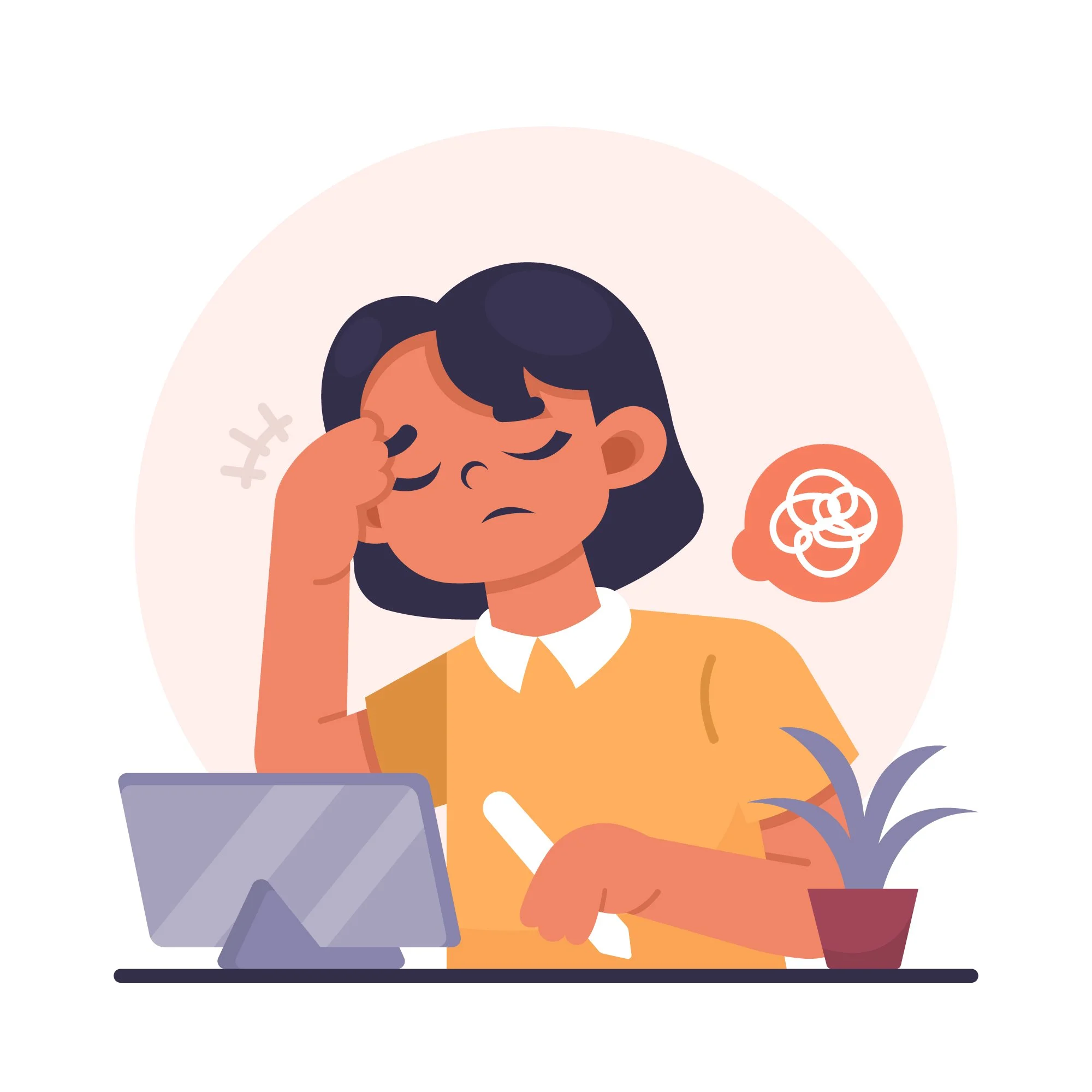
Comparison- The Thief Of Joy
Comparison is the thief of joy. Why measuring your child against an invisible 'normal' hurts—and how a strengths-based lens changes everything.

My mom always told me that “Comparison is the thief of joy.” It was right up there with, “If your friends jumped off a cliff, would you follow them?”
Both turned into maxims that I still follow… at least most of the time.
It’s hard not to compare your child when the world seems so set on gauging growth and success as some sort of delta between where you are to where “normal” is.
From the first moment a child enters into your life, there are growth charts and development metrics. School is a litany of achievement tests and behavior charts, and it can feel like our children are summed up as nothing more than percentiles that only ever tell half of the truth.
And the worst part is that as parents and teachers, we sometimes do it too. We see other children doing things our child or student hasn’t mastered yet, and we fret and worry. We wonder how they will go to college (even though they are only nine and playing in a mud puddle). We wonder how they will survive in life when they still sleep with stuffies and comfort blankets into their teen years. We see kids going to prom, excelling at sports, or solving the mysteries of the universe, and we wonder if we are doing enough.
You are doing everything you can with the information you have. You are doing enough!
Children with spikey profiles (advanced growth in some areas, delays in other areas) can seem so out of “normal”. Teachers, specialists, administrators, and even well-meaning friends, family members, and random strangers can give advice on all the ways to normalize.
I’m here to tell you that comparison is the thief of joy. There are many paths to joy, happiness, and life-long contentedness, and few, if any, include comparisons.
Instead of comparing your child to others, compare them to themselves. Growth is not a straight line. It is full of bursts and stalls. What may seem behind in some areas may actually be perfect for your child.
When we view our children through a strengths-based lens, we can better see the bursts of growth and development. We can see their passions and interests. We can see the things that make our children so uniquely wonderful. A strengths-based lens doesn’t mean we have to pretend that our children don’t have struggles, but we can see these struggles as part of a human experience, rather than a descriptor of our child’s worth and ability.
In those moments when the comparisons start happening, focus on your child’s gifts and strengths. What amazing insights have they told you? Where do they shine? Are they kind? Do they know every name of every Pokemon and their evolution path? These are super cool things that make your child amazing and unique.
Sometimes, we even have to remind the children in our lives just how amazing they are!
When a child struggles with something, let’s say, tying their shoes. This can feel very othering for the child, especially as they grow and develop. They already feel this way. As parents and teachers, we don’t need to add to the shame. Instead, we need to create a place of safety for all children. They will learn these skills, or they will learn adaptations and management strategies.
I hear so many parents say things like, “How will my child function in the world without these skills,” and instead of asking that, maybe instead we ask,
“How can I create a world that allows all children to excel and thrive, regardless of their skills and abilities?”
Let us create a world where growth is measured against oneself, rather than against an invisible normal.
About Young Scholars Academy
Young Scholars Academy is a WASC-accredited virtual learning community offering 200+ live online courses and camps for gifted or 2e children ages 5–18, in classes of 6–8 students, led by neurodivergent mentors. Young Scholars Academy currently serves 1,200+ families across 47+ states and 17 countries, with a 93% semester-over-semester re-enrollment rate. ESA funding is accepted in 10+ states.
Explore Fall CoursesYou don't have to figure this out alone.
Right now, a kid who thinks like your kid is in a class they chose, with a mentor who was once just like them, surrounded by friends who don't think they're weird... they think they're interesting.
200+ courses for kids who think differently.
Live online. Classes of 6–8. Mentors who were these kids. WASC accredited.
Explore Fall CoursesTrusted by families like yours
1,200+ families across 47+ states. 93% re-enroll.
They found their people here. So can your child.
Explore Fall CoursesRecommended for readers of Parent Support
Find a parent support class that fits your child.
Small groups of 6–8, led by mentors who get how your kid thinks.
Explore Fall Courses5 Signs Your Gifted or 2e Child Is Being Under-Served
A free, practical guide — plus early invites to expert talks, AMAs, and new course launches.
No spam. Unsubscribe anytime.
You're in! Check your inbox for the guide. ✨
You're already in the village
Here's what's open right now.
Live online. Classes of 6–8. Mentors who were these kids. WASC accredited.
Explore Fall Courses