Thankfulness + Reflection= More Happiness
A simple gratitude exercise that can boost happiness and self-esteem in twice-exceptional and neurodiverse kids who focus too much on their struggles.

In The Spirit of Thanksgiving
“Energy flows where the mind goes” -Unknown
Did you know that regularly inventorying your thankfulness/gratitude can lead to more happiness and confidence? Give it a try! 😄
Grab a piece of paper/open a doc and write down one/all of the following:
✔️ 5 things you’re grateful for
✔️ 5 accomplishments that you’re proud of
✔️ 5 people/things you’re happy to have in your life
✔️ 5 things you love about yourself
✔️ 5 things you’d want others to know about your life
Now, read the list back to yourself. Feeling better already? While this is a small exercise, positive psychology tells us that when we focus on what we have—as opposed to what we don’t—we often feel much better about ourselves and our lot in life.
If this was helpful for your mental health, please encourage your students to do the same.
Recently, plenty of parents have expressed concerns that their students are struggling with:
📝 Socializing
📝 Academic burnout
📝 Overall apathy
📝 Trying new things
📝 Connecting with others
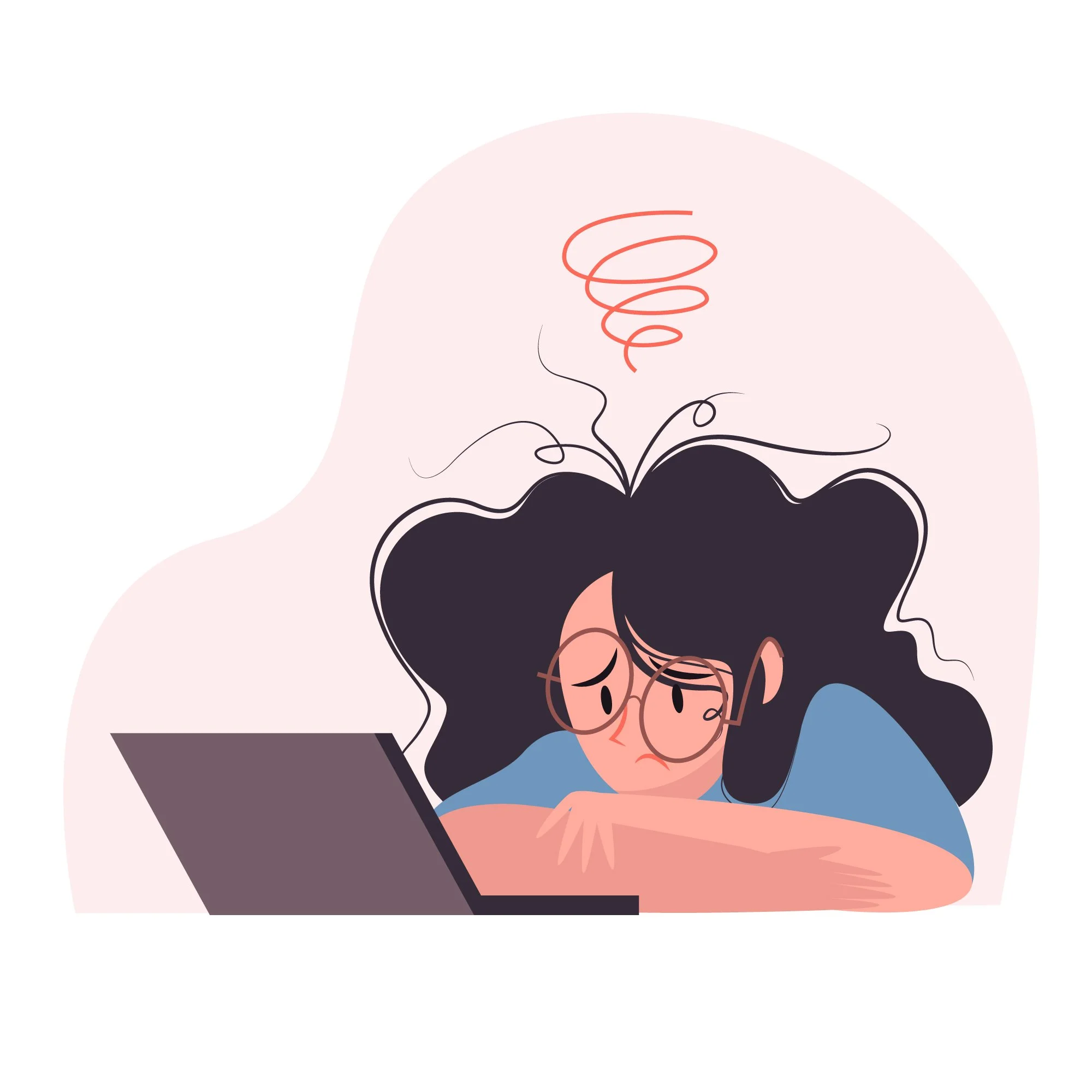
At the core of many of these strugglers is low self-esteem. Sadly, many of our twice-exceptional and neurodiverse students have been conditioned to focus only on the areas in which they require the most support. This leads to a cycle of feeling like that they are less than…
One great way to support these children and help to improve their self-esteem is to reflect on what they have/do well. It’s important to do this often and work to make it a healthy habit.
While this is a great exercise, it’s merely a first step in a long road to personal healing. Although the road may be extensive, the best way to help your child is simply by supporting them in taking their first step.
NOTE- There are no simple solutions to these complex challenges.
There is no silver bullet. Finding a great therapist is often a great second step (article on this coming soon).
One of THE BEST WAYS TO SUPPORT children who have some of the aforementioned struggles is by steeping them in supportive environments comprised of like-minded peers and passionate, loving mentors.
If you’ve been looking for a place like this
I hope this was helpful for you. I’m thankful you took the time to read and look forward to seeing you at our upcoming Open House.
Happy Thanksgiving!
About Young Scholars Academy
Young Scholars Academy is a WASC-accredited virtual learning community offering 200+ live online courses and camps for gifted or 2e children ages 5–18, in classes of 6–8 students, led by neurodivergent mentors. Young Scholars Academy currently serves 1,200+ families across 47+ states and 17 countries, with a 93% semester-over-semester re-enrollment rate. ESA funding is accepted in 10+ states.
Explore Fall CoursesYou don't have to figure this out alone.
Right now, a kid who thinks like your kid is in a class they chose, with a mentor who was once just like them, surrounded by friends who don't think they're weird... they think they're interesting.
200+ courses for kids who think differently.
Live online. Classes of 6–8. Mentors who were these kids. WASC accredited.
Explore Fall CoursesTrusted by families like yours
1,200+ families across 47+ states. 93% re-enroll.
They found their people here. So can your child.
Explore Fall CoursesRecommended for readers of Parent Support
Find a parent support class that fits your child.
Small groups of 6–8, led by mentors who get how your kid thinks.
Explore Fall Courses5 Signs Your Gifted or 2e Child Is Being Under-Served
A free, practical guide — plus early invites to expert talks, AMAs, and new course launches.
No spam. Unsubscribe anytime.
You're in! Check your inbox for the guide. ✨
You're already in the village
Here's what's open right now.
Live online. Classes of 6–8. Mentors who were these kids. WASC accredited.
Explore Fall Courses