Subjects Don't Matter
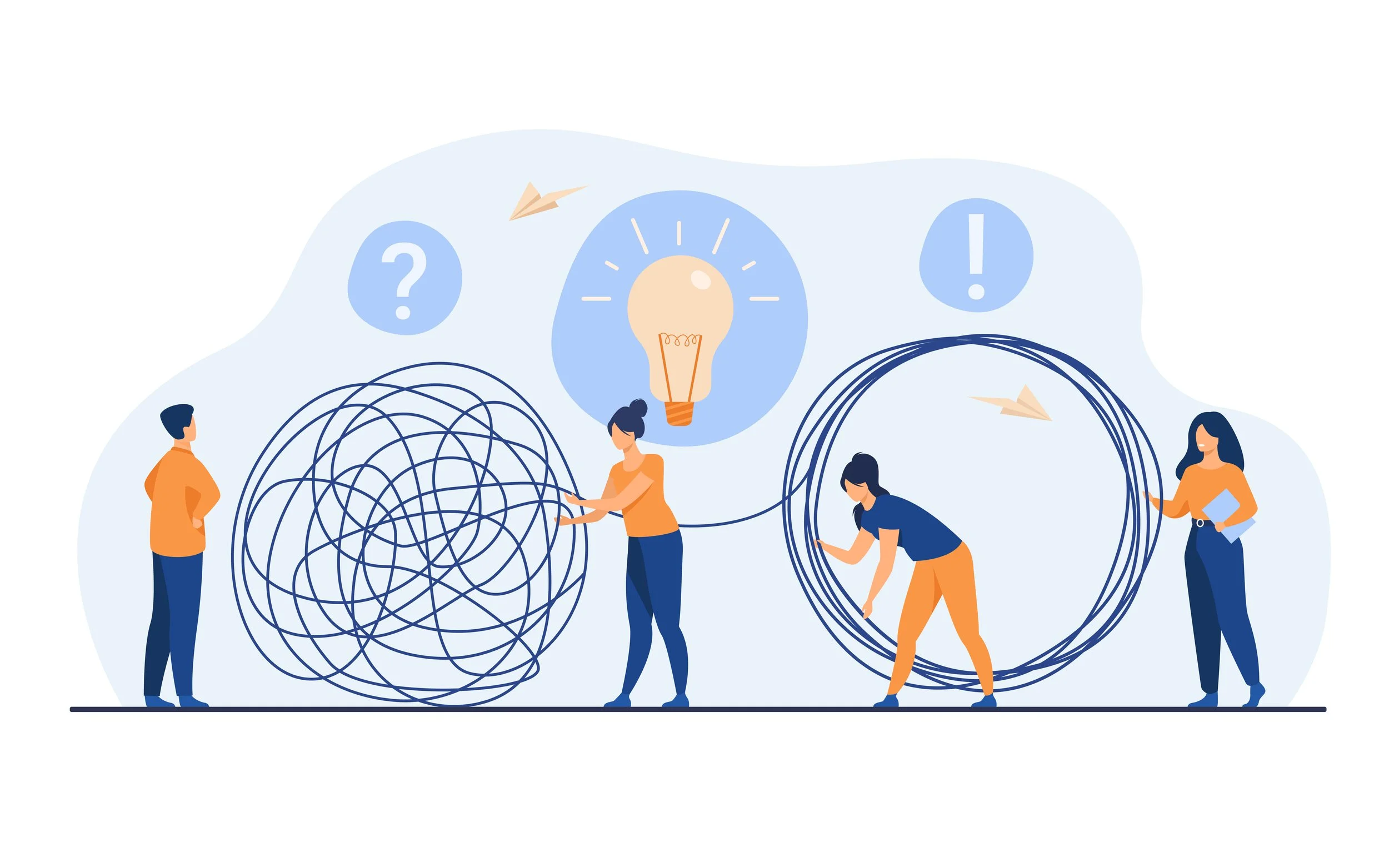
A former history teacher argues that subjects don't matter—passion-based learning, where passion comes before learning, is the future of education.

Subjects don’t matter. There, I said it…
Coming from a 10-year history teacher that may sound weird, right? I used to get so annoyed when I would be talking about the importance of something like the GI Bill, let’s say, and I would catch a student doing X, Y, or Z while they were supposed to be paying attention.
While it certainly was my job to make history cool enough for them to care, it certainly was not my job to think of their passion as something that needed to be explored outside the classroom.
This is something that teachers get wrong… This is something that education gets wrong… Educators have kids compartmentalize their learning and their passions. Learning happens in school and passions are an outside of school matter. That just ain’t right!
When I reflect back on my time in the classroom what I should have done with little Johnny or little Sue was first to ask them about their passions. Then, I should have woven the learning about the GI Bill and its complicated legacy, let’s say, into their exploration of their passion.
Fortunately for me, I get it now. I’ve stepped out of the cave and seen the sun. Hard to go back to staring at that fire and thinking it’s the brightest thing out there. That’s was Plato was talking about, right? Talk about a great teacher!
In a roundabout way, this little anecdote is the backdrop to Young Scholars Academy. It’s never really about what it’s about, you know?
Take for example our program on entrepreneurship called “Young Entrepreneurs: From Dreaming to Doing”. Yes, the class is about planning and creating a real business. Which, let me just say it already pretty darn cool! The actual point of the class is less about business, however. It’s really about children tapping into their passions in a structured, supportive setting. Pushing them to explore various aspects of their passion and organize their discoveries into a variety of deliverables. When I say deliverables, I mean exciting deliverables! The good ones, you know? Like recorded dreams, projections, websites, marketing materials, etc. Useful stuff!
The days of separating passion and learning are dead and gone! B
I encourage you to be a part of the new wave of education: passion-based learning. Notice the passion comes before the learning :-)
If you’d like to learn more about this programming and other exciting programming going on at YSALA, check this: https://powersofpersuasion.lpages.co/young-entrepreneurs-2/
About Young Scholars Academy
Young Scholars Academy is a WASC-accredited virtual learning community offering 200+ live online courses and camps for gifted or 2e children ages 5–18, in classes of 6–8 students, led by neurodivergent mentors. Young Scholars Academy currently serves 1,200+ families across 47+ states and 17 countries, with a 93% semester-over-semester re-enrollment rate. ESA funding is accepted in 10+ states.
Explore Fall CoursesYou don't have to figure this out alone.
Right now, a kid who thinks like your kid is in a class they chose, with a mentor who was once just like them, surrounded by friends who don't think they're weird... they think they're interesting.
200+ courses for kids who think differently.
Live online. Classes of 6–8. Mentors who were these kids. WASC accredited.
Explore Fall CoursesTrusted by families like yours
1,200+ families across 47+ states. 93% re-enroll.
They found their people here. So can your child.
Explore Fall CoursesRecommended for readers of School & Learning
Find a school & learning class that fits your child.
Small groups of 6–8, led by mentors who get how your kid thinks.
Explore Fall Courses5 Signs Your Gifted or 2e Child Is Being Under-Served
A free, practical guide — plus early invites to expert talks, AMAs, and new course launches.
No spam. Unsubscribe anytime.
You're in! Check your inbox for the guide. ✨
You're already in the village
Here's what's open right now.
Live online. Classes of 6–8. Mentors who were these kids. WASC accredited.
Explore Fall Courses