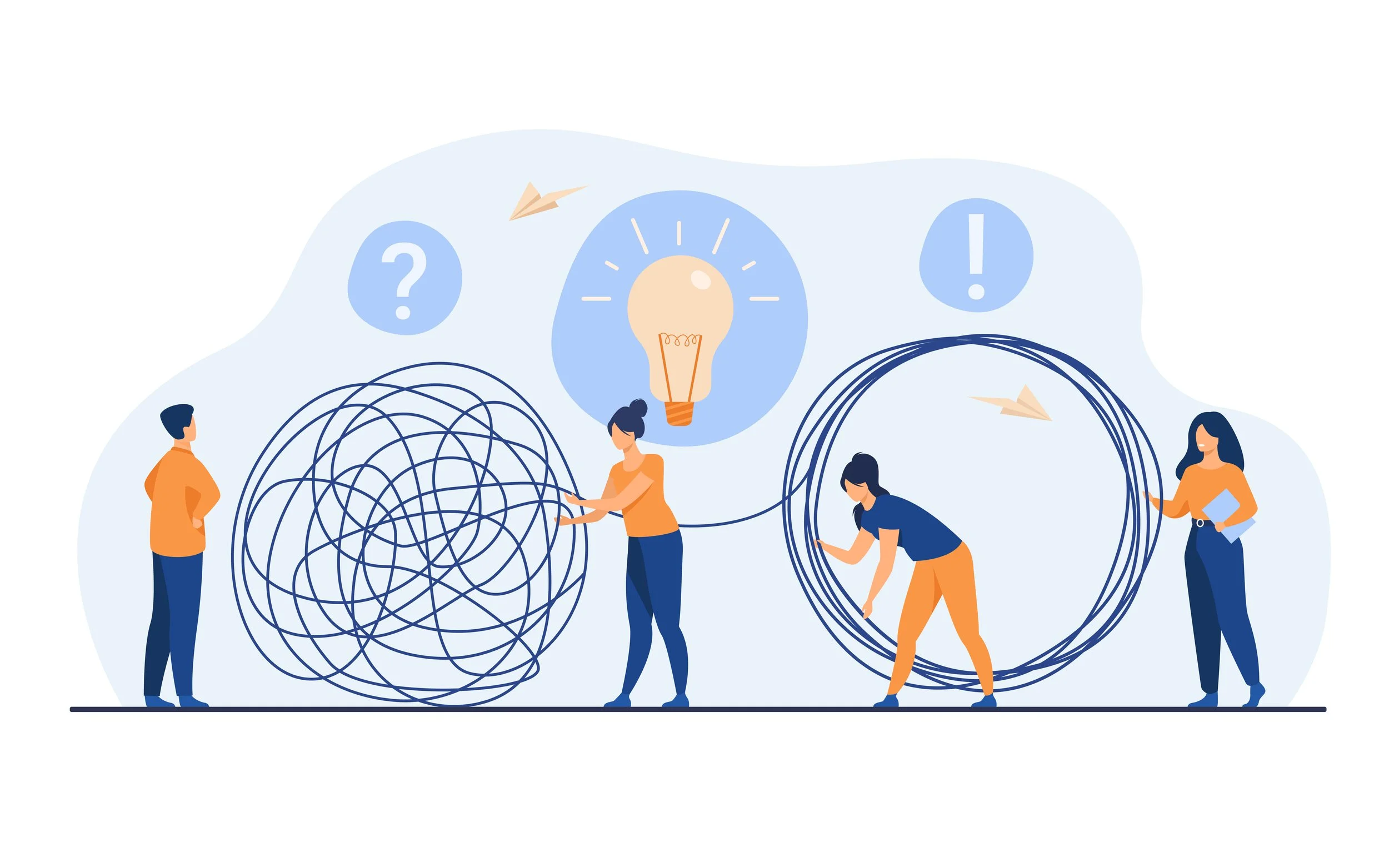
Building Strength-Based IEPs/504s
Practical tips for building strength-based IEPs and 504s that recognize twice-exceptional children's abilities, not just their limitations.

Last week, we talked about some tips for the IEP and 504 process. Today, we’re going to talk about how to keep this process strength-based and child-focused.
Children are amazing!
They are funny, clever, and brave. They can remind us of all of the very best things about this world, and they are so much more than any IEP, 504, assessment, report, or document could ever say. They are more than a moment in their educational career, and they deserve to be seen as the complex, unique beings that they are.
So here are a few tips for helping the IEP/504 team develop a strength-based approach to your child’s educational needs.
1. Make sure you are aware of your child’s strengths.
It really is important before going into any IEP/504 meeting with a clear understanding of your child’s strengths. This can sometimes be hard, not because your child isn’t amazing at a thousand things, but because it’s hard to know which of things are “important” enough. Don’t worry about what is important now, but rather gather a list of all of the ways your child really shines. Need some help remembering and cataloguing some of the amazing things your child can do? Read here for some ideas!
2. Review your child’s Present Level of Performance (PLOP).
I think that the PLOP can be a really powerful tool for including your child’s strengths. Often, the PLOP is an overview of all the things your child CAN’T do. Instead, help the IEP/504 team include a full picture of your child by including strengths as well. Have the team identify areas where your child shines. Examples include things like, “Helps others,” “tells epic stories,” or even new skills that have been gained. There are some examples here.

3. Develop strength-based goals.
Building goals for 2e students can be tricky because of the student’s spikey profile. For example, a struggling reader may be frustrated working through books with little nuance or story. Additionally, students who may need some support in some areas may not actually need focused goals, but rather opportunities to develop these skills.
Your children have every right to be in gifted services for which they qualify, regardless of disability or difference. Your children also have a right to accommodations and support for which they qualify and require, regardless of ability. Threading the needle between these two things can sometimes be a challenge!
When developing strength-based goals for your child, include areas of ability for continued growth. Read more here.
4. Include strength-based accommodations and scaffolding.

Work with your team to ensure the right amount of challenge for your child while removing barriers to success. Examples of this may look like reducing written work, allowing typing much earlier, discounting spelling mistakes or handwriting errors (like a backwards 5) in all subjects where spelling or handwriting are not the purpose. Additionally, make sure that areas of strength are never removed as a punishment. For example, a student whose only real intellectual outlet is library time should never have pull-out or push-in services during this time. The same goes for recess, lunch, or other peer development times.
5. Bring a large photo of your incredible kiddo.
This tip comes from one of our amazing mentors, Andy Smallman. Andy recommends bringing in a large photograph of your child to the meeting which should be placed at the head of the table. As Andy states the goal of this is, “to remind all of us that we’re here in support of this lovely human being.” Having a picture of your child can serve as a fantastic way to really humanize your child and refocus the meeting around serving your kiddo.
Your child is an amazing human, and you are doing a great job. This process can be long and arduous, but there is an end to it eventually.
You got this, and we are here to help!
About Young Scholars Academy
Young Scholars Academy is a WASC-accredited virtual learning community offering 200+ live online courses and camps for gifted or 2e children ages 5–18, in classes of 6–8 students, led by neurodivergent mentors. Young Scholars Academy currently serves 1,200+ families across 47+ states and 17 countries, with a 93% semester-over-semester re-enrollment rate. ESA funding is accepted in 10+ states.
Explore Fall CoursesYou don't have to figure this out alone.
Right now, a kid who thinks like your kid is in a class they chose, with a mentor who was once just like them, surrounded by friends who don't think they're weird... they think they're interesting.
200+ courses for kids who think differently.
Live online. Classes of 6–8. Mentors who were these kids. WASC accredited.
Explore Fall CoursesTrusted by families like yours
1,200+ families across 47+ states. 93% re-enroll.
They found their people here. So can your child.
Explore Fall CoursesRecommended for readers of School & Learning
Find a school & learning class that fits your child.
Small groups of 6–8, led by mentors who get how your kid thinks.
Explore Fall Courses5 Signs Your Gifted or 2e Child Is Being Under-Served
A free, practical guide — plus early invites to expert talks, AMAs, and new course launches.
No spam. Unsubscribe anytime.
You're in! Check your inbox for the guide. ✨
You're already in the village
Here's what's open right now.
Live online. Classes of 6–8. Mentors who were these kids. WASC accredited.
Explore Fall Courses