Rethinking Parenting Approaches For PDA Children
How a collaborative, low-demand parenting approach can reduce anxiety and build deeper connection with PDA children.
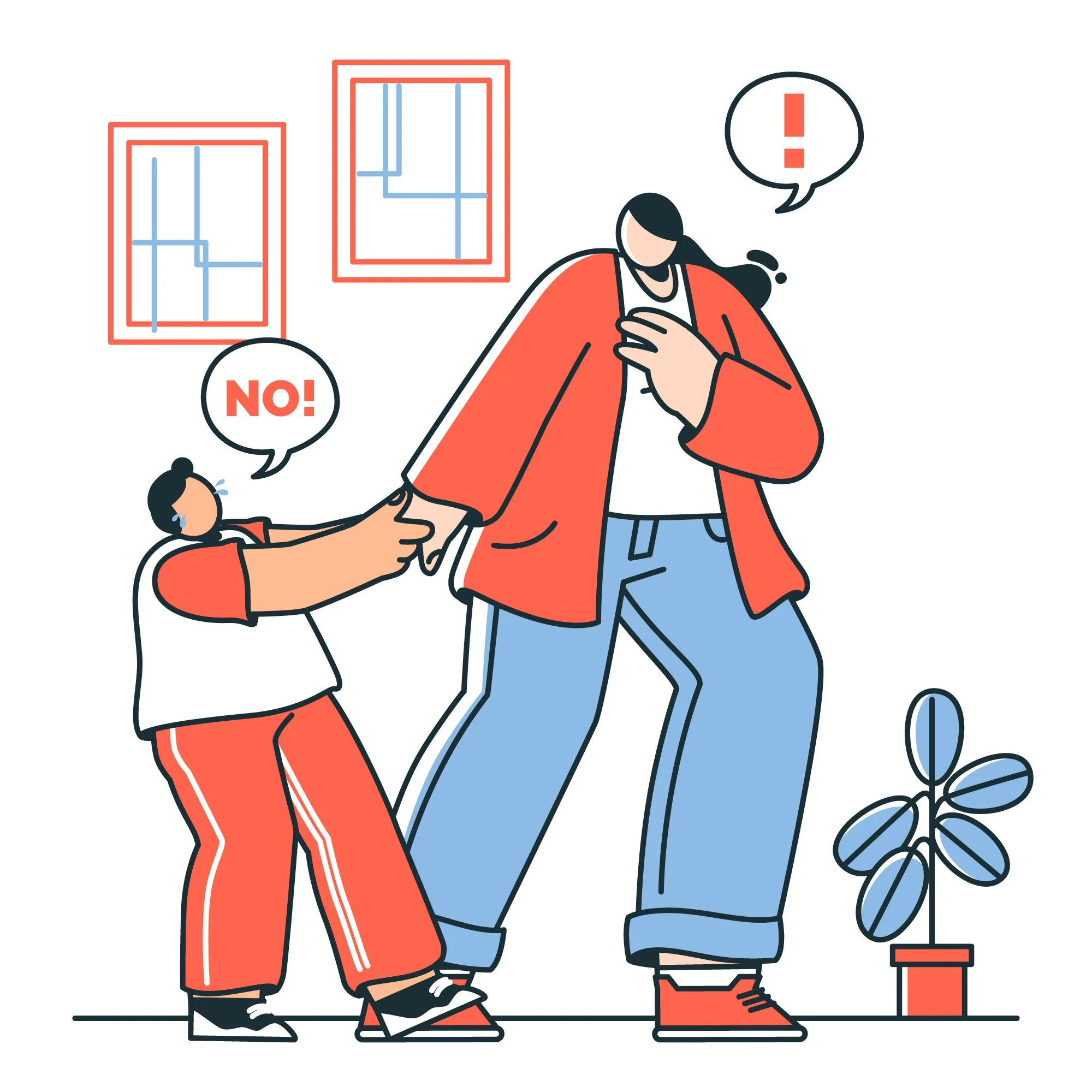

Parenting a child with a Pervasive Drive for Autonomy/Pathological Demand Avoidance (PDA) profile can feel overwhelming and isolating. Often associated with Autism, PDA is characterized by extreme anxiety in response to demands. Unfortunately, it is not officially recognized in many places, including the United States, which can leave parents and children feeling misunderstood and frustrated.
Due to a lack of understanding, children with PDA often face challenges in school, where they typically do not receive adequate support tailored to their needs. They may struggle to complete assignments, participate in group activities, or meet expectations set by teachers, peers, and administration. This can lead to academic difficulties and social alienation. Instead of recognizing and supporting the underlying anxiety, schools often interpret PDA behaviors as defiance and respond with punitive measures like detention or exclusion. These punitive measures exacerbate the anxiety surrounding the school experience, creating a cycle that makes it even harder for children to engage.
At home, PDA can create unique challenges. Children may resist daily routines, leading to conflicts over tasks like brushing teeth or completing homework. Emotional outbursts may occur when they feel overwhelmed, especially during transitions. Some children may withdraw from family interactions, preferring isolation during mealtimes or playtime. To regain a sense of autonomy, they often engage in extensive negotiations about tasks, reflecting their deep need for agency in their choices. In our home, PDA behaviors intensify when my teen does not have enough alone time to decompress and reset. Before I understood his PDA, I expected him to go along with every family outing and activity. As much as I value our time as a family, I have accepted that my PDAer can only participate in some of the things we are doing, some of the time. Doing too m

Creating a Collaborative and Supportive Home Environment for PDA Children
In our culture, there is a strong emphasis on parental authority. We often receive the message that parents must be in charge, setting strict rules and boundaries to control their children’s behavior. This perspective can be so deeply ingrained that it makes us feel like we need to maintain control at all times. I know I felt this pressure for a long time, believing that my children’s compliance was key to being a good parent. Transitioning from this authoritative mindset to one of collaboration required a significant shift for me, but it has made a big difference in our home. Seeing my PDA child as a collaborative partner has opened up our communication, allowing my son to feel heard and respected. It has also allowed me to understand and connect with him more.
In this collaborative environment, practicing empathy and understanding is crucial. When a child resists, their behaviors often reflect internal struggles rather than defiance. This perspective allows for effective and authentic responses. Actively involving our PDA children in discussions about the challenges they face empowers them to find solutions together. Something that has been helping in our home is asking my son questions like “What would make this easier for you?” or “What support do you need right now, and how can I facilitate that for you?”
Prioritizing choices whenever possible gives children a greater sense of control. We have recently started using a “Choice Board” that lists various options for chores and tasks. When my PDAer selects a choice from the board, it fosters a sense of control and autonomy, significantly reducing his anxiety around these demands. He is able to accept this more than me imposing chores or tasks on him. As much as possible, we should provide our PDA kids with opportunities for choice to empower them and reduce their stress.
Focusing on our children’s strengths and interests is also a helpful tool. Engaging in their areas of interest is a good way to connect. For me, that looks like watching a lot of football games with my PDA teen. Even though I would rather be reading than watching football, I do really cherish this time together doing something he truly enjoys.
Finally, using declarative as opposed to imperative language helps reduce anxiety. Instead of demanding, “You need to clean your room,” saying, “I notice your room is messy, and I’m happy to help you sort it out,” or “I wonder how we could get started on this?” avoids placing demands while still addressing the issue. One area of stress in our home is around food. My PDA son prefers eating at irregular hours rather than at designated mealtimes. This is stressful for me because I worry that he isn’t getting enough nutrition—after all, isn’t a good parent supposed to ensure their child is fed? This concern has led to many clashes over food. Recently, I’ve started trying a different approach: instead of imposing mealtimes, I simply say, “It’s around lunchtime now—I can make you something if you’d like.” This shift seems to have reduced the pressure around food and mealtimes.

Staying Calm and Prioritizing Self-Care
Remaining as calm as possible during challenging moments is important. We need to be mindful that our children’s behaviors are not personal attacks against us but are expressions of their intense anxiety. Techniques like deep breathing or taking a brief time-out can help maintain our emotional stability, creating a more positive atmosphere at home. But to be honest, remaining calm and grounded is extremely hard for me to do. I wish I could say that I am always grounded, patient, and understanding, but that wouldn’t be true. This is something that I am continually working on trying to improve. Something that has helped me is to have a clicker fidget. There is something about the noise it makes and having an outlet for my frustrations that I have found helpful when trying to remain untriggered in triggering situations. Finding a way to stay grounded during tough moments is personal, and it’s important to discover what works best for each of us. However, it’s equally important to embrace our humanity and recognize that we won’t always be able to remain calm in every situation. Acknowledging our feelings and apologizing when we get upset is healing for both us and our children.
Caring for a PDA child can be emotionally exhausting. To effectively support our children, it’s essential to prioritize our own well-being. Finding time for self-care is challenging with parenting, professional, and other responsibilities. Carving out time for self-care must be done intentionally—we can’t just hope it will happen. Self-care is obviously personal and is different for everyone. For me, self-care looks like waking up very early in the morning before my family starts their day. It’s quiet in my house and in my neighborhood. I take my dog for a walk. We’re fortunate to live near a forest, so our walks are peaceful and rejuvenating. Then I make a cup of coffee and spend some time reading, which is something I really enjoy. This quiet morning time has become a much-cherished way for me to set a positive tone for my day. It’s essential to intentionally find time for yourself and not feel guilty about doing so. Prioritizing self-care not only benefits us as individuals but ultimately strengthens our ability to support our children.
Loving ourselves is a way of loving our families.
Embracing the Journey
Navigating the challenges of parenting PDA children requires a shift in mindset and approach. By focusing on empathy, collaboration, connection, and understanding, we can create a nurturing environment that honors our children’s unique neurodivergent needs. Even though parenting PDA kids is challenging, focusing on strengths is so rewarding. Stepping back and taking the time to really look at our complicated, brilliant, creative, passionate kids with their unique perspectives, their stellar negotiation skills, their passionate interests, their deep feelings, and their exceptional problem-solving skills can help us truly appreciate the beautiful children we have been gifted with.
Remember, you’re not alone on this journey. Many parents share similar experiences, and together we can build a supportive community that embraces the complexities of parenting neurodivergent children. Celebrate small victories, focus on strengths, and prioritize self-care. By doing so, we empower not only our children but ourselves as well.
Developing Strengths and Interests
When it comes to education, one powerful way to help our PDA students shine is to empower them with choice in their learning. When students are given the freedom to choose content that aligns with their interests and sense of purpose, they’re more likely to feel motivated, successful, and engaged.
Young Scholars Academy’s fall courses, currently open for enrollment, offer just that! Click here to explore fall courses and find a program that your child will love—a place where they’ll learn the content they WANT to learn, discover like-minded friends, receive top-notch support, and experience the engagement you’ve been searching for.
The BEST way to do this—> We recommend sitting down with your child to scroll through the available classes, watch the teacher introduction videos, read the various course descriptions, and empower them to select the courses and mentors that resonate with them.
Click here to explore and empower your child to take ownership of their learning journey and sit back and watch them thrive!
Resources for Further Support and Information
Declarative Language Handbook by Linda K. Murphy
Debbie Reber’s Tilt Parenting Podcast- PDA In North America
Comment Below And Let Us Know:
What strategies help you the most? What resources have been the most helpful for you?
About Young Scholars Academy
Young Scholars Academy is a WASC-accredited virtual learning community offering 200+ live online courses and camps for gifted or 2e children ages 5–18, in classes of 6–8 students, led by neurodivergent mentors. Young Scholars Academy currently serves 1,200+ families across 47+ states and 17 countries, with a 93% semester-over-semester re-enrollment rate. ESA funding is accepted in 10+ states.
Explore Fall CoursesYou don't have to figure this out alone.
Right now, a kid who thinks like your kid is in a class they chose, with a mentor who was once just like them, surrounded by friends who don't think they're weird... they think they're interesting.
200+ courses for kids who think differently.
Live online. Classes of 6–8. Mentors who were these kids. WASC accredited.
Explore Fall CoursesTrusted by families like yours
1,200+ families across 47+ states. 93% re-enroll.
They found their people here. So can your child.
Explore Fall CoursesRecommended for readers of PDA
Find a pda class that fits your child.
Small groups of 6–8, led by mentors who get how your kid thinks.
Explore Fall Courses5 Signs Your Gifted or 2e Child Is Being Under-Served
A free, practical guide — plus early invites to expert talks, AMAs, and new course launches.
No spam. Unsubscribe anytime.
You're in! Check your inbox for the guide. ✨
You're already in the village
Here's what's open right now.
Live online. Classes of 6–8. Mentors who were these kids. WASC accredited.
Explore Fall Courses