Is Self-Diagnosis A Valid Diagnosis?
Debunking four common myths about self-diagnosis and why self-identified neurodivergent experiences are valid, even without a formal diagnosis.
I remember a few years ago watching some YouTuber talk about their ADHD, and when I told my husband that “everyone feels like that,” he told me that no, in fact they do not. This was a lightbulb moment for me. Why was I resonating so much with all of the ADHD videos when I had never been diagnosed with it?
I resonated with family members who also had ADHD, and I kept thinking that doctors were just pathologizing “quirky” behavior. It was only recently when I sought my own diagnosis that I joined the bevy of late-diagnosed women, receiving an ADHD diagnosis in my 40s – and it all made so much sense. My life makes so much more sense now.
But what about all of those folks who didn’t go to the doctor and receive a medical diagnosis?
Is their diagnosis valid?
Do they get to join the neurodivergent club, or do we need to see their cards?
Let’s go over some of the biggest myths around self-diagnosis out there:
Myth 1- We need doctors to determine neurodivergence.
Let’s unpack this a bit. Many people get “diagnosed” with learning disabilities in school as part of education assessments. But, these aren’t always extensive or inclusive. Not all people have access to outside assessments – either through lack of available practitioners or lack of monetary resources.
Getting a doctor’s diagnosis becomes an act of privilege. So, when we deny someone the right to self-diagnosis, we in a way are gatekeeping communities based on privilege and access.
Doctors and other healthcare professionals can be amazing supporters of neurodivergent people, and all people should have the right to quality mental healthcare. Until all people have this access, we have to recognize that many people remain undiagnosed and without proper care and support.
Myth 2- All doctors diagnose all conditions the same.
There is a common belief that Autism or ADHD look alike in all people, and it’s easy for trained doctors to diagnose them, but that’s not the case. Women and girls are historically underdiagnosed with autism and ADHD.
Children who are twice-exceptional can often pass as neuro-normative, and trauma can have nuanced layers to accurate diagnoses. It is no wonder that many individuals have never received a formal diagnosis, but as they watch videos on TikTok or YouTube they may finally see themselves represented.
Myth 3- Saying you’re neurodivergent without a diagnosis is a cop-out
I’ve heard this one a few times: Basically, young adults who don’t have a diagnosis are saying they can’t keep a job because they are ADHD or can’t connect with people because they are autistic, and we need to stop coddling them.
This type of thinking becomes ableist very quickly. I do not know someone’s lived experience. I know that many neurodivergent people have been told that they are broken horses rather than amazing zebras. Feeling like a failed neuronormative person your whole life has to be pretty soul-crushing.
What if, instead of us focusing on people trying to find reason and meaning for why they don’t fit into a neuronormative world, we focus on how we make our world more inclusive and welcoming? Let’s focus on how we help folks find their strengths and lead a strengths-based life.
Myth 4- TikTok and YouTube Influencers are making “normal” kids identify as neurodivergent
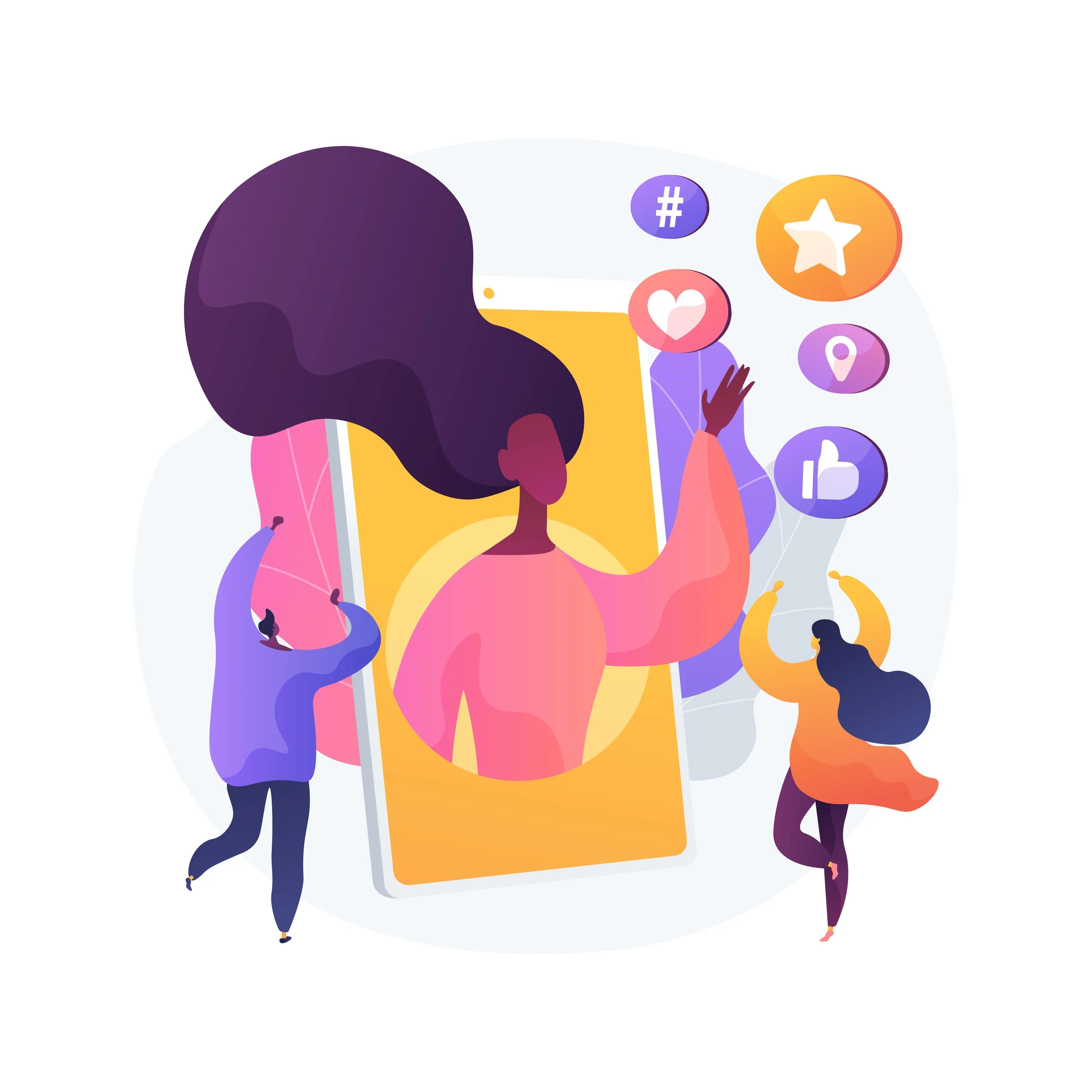
Social media can have a lot of sway on people, it’s true. One big benefit to neurodiversity features on social media is that we are seeing more awareness and openness to people who have been rejected and silenced for a long time.
The history of Autism research (and psychology in general) is heartbreaking and full of horrific experiments. Even today, many of the leading Autism research arms are focused on “finding a cure,” an offensive and dismissive viewpoint for those with lived autistic experiences.
Neurodivergent people no longer need to hide! They can say the things that society may deem “weird” or “abnormal” without fear of being institutionalized.
For those kids who are neurodivergent, finding voices and words with which they resonate can be incredibly empowering. For many, these influencers help them find their communities and develop positive identities around their neurodivergence. This is strength-based living at its highest level!
If we want to celebrate neurodiversity, we have to understand that it is just that - diverse.
No two paths or people are exactly the same. No matter how you have come to understand your own, or, your child’s neurodivergence, I want you to know that it is valid.
You are valid.
Your experience is valid, and no piece of paper, no doctor’s note can take that away from you.
We are so glad you are here, in our neurodiverse virtual village.
What other beliefs have you heard about self-identifying?
What do you think about these 4 myths?
Let us know below in the comments.
About Young Scholars Academy
Young Scholars Academy is a WASC-accredited virtual learning community offering 200+ live online courses and camps for gifted or 2e children ages 5–18, in classes of 6–8 students, led by neurodivergent mentors. Young Scholars Academy currently serves 1,200+ families across 47+ states and 17 countries, with a 93% semester-over-semester re-enrollment rate. ESA funding is accepted in 10+ states.
Explore Fall CoursesYou don't have to figure this out alone.
Right now, a kid who thinks like your kid is in a class they chose, with a mentor who was once just like them, surrounded by friends who don't think they're weird... they think they're interesting.
200+ courses for kids who think differently.
Live online. Classes of 6–8. Mentors who were these kids. WASC accredited.
Explore Fall CoursesTrusted by families like yours
1,200+ families across 47+ states. 93% re-enroll.
They found their people here. So can your child.
Explore Fall CoursesRecommended for readers of Neurodiversity
Find a neurodiversity class that fits your child.
Small groups of 6–8, led by mentors who get how your kid thinks.
Explore Fall Courses5 Signs Your Gifted or 2e Child Is Being Under-Served
A free, practical guide — plus early invites to expert talks, AMAs, and new course launches.
No spam. Unsubscribe anytime.
You're in! Check your inbox for the guide. ✨
You're already in the village
Here's what's open right now.
Live online. Classes of 6–8. Mentors who were these kids. WASC accredited.
Explore Fall Courses