Creating a Climate of Resilience
Resilience grows in the right climate. Here's how parents can model competence, connection, and graceful failure so children's resilience can flourish.
Creating a Climate of Resilience
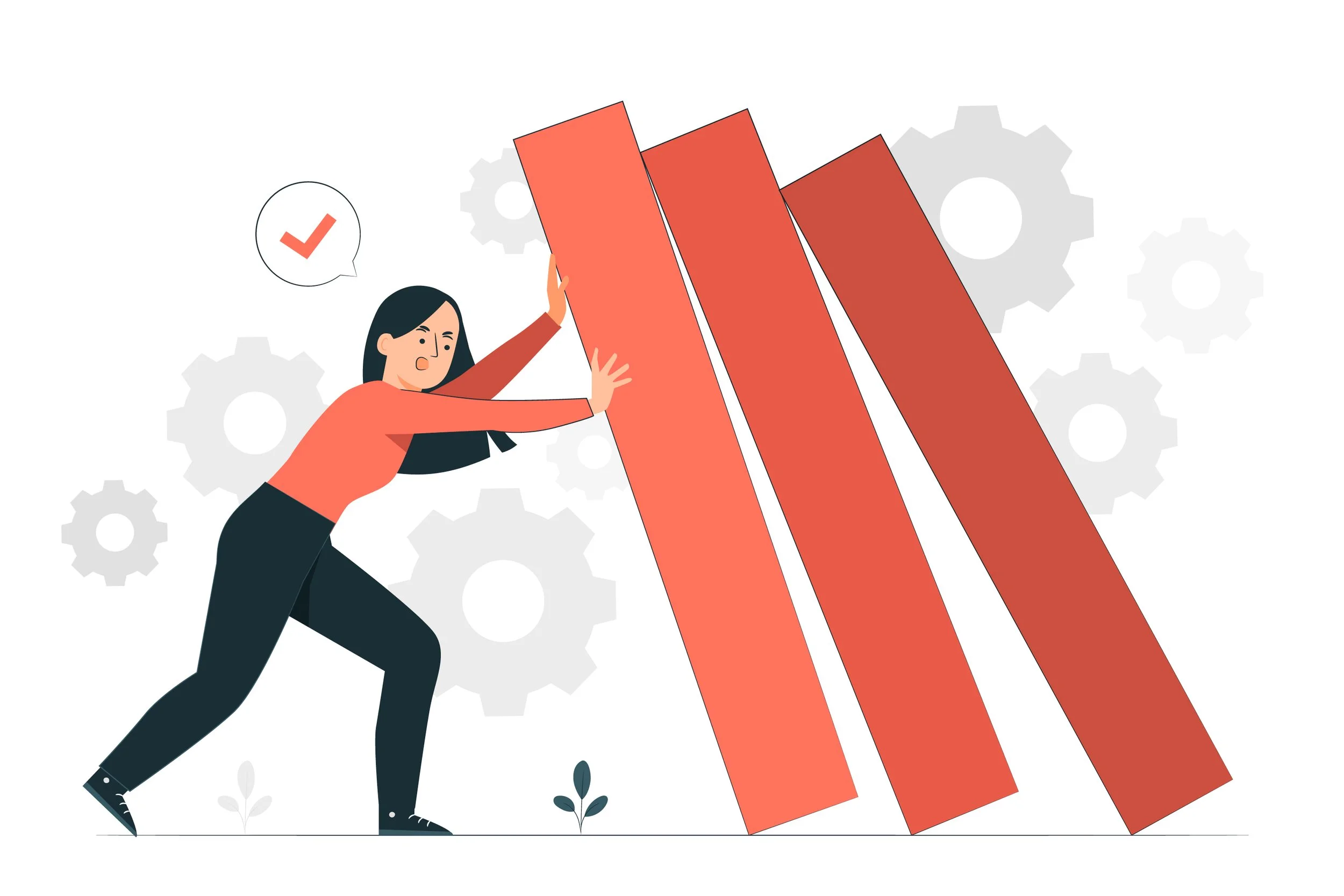
Resilience is the ability to bounce back after adversity, and let’s face it, we have all faced some adversity lately. Teaching children resilience is a hot topic right now as we are all learning to navigate a post-pandemic world. My original intent for this piece was to help children build resilience. But, as I got started thinking more about the topic, I decided that maybe the question is not so much how to help children build resilience, but are we creating the right climate in which it can grow?
When we talk about resilience in organizations, research shows that those leaders at the top of the organization who model resilience help create a culture of resilience throughout. Yet when we talk about children and resilience, the focus tends to be on what parents and teachers can do to “build” this skill in children. Let’s change this script. As the parents, teachers, mentors, and otherwise adult presences in these children’s lives, it is more important for us to model and develop a climate of resilience so that children can rest in these spaces and grow their skills too.
Encourage competence through strengths
Dr. Kenneth Ginsberg created 7 components for building resilience in children, and competence is the first step. We gain confidence as we gain skills. We gain skills as we practice, fail, and try again. Kids are the same. They need space to grow strengths and talents. Focusing only on developing weaknesses focuses on those areas that are often low-confidence, which can erode confidence rather than help build it. To build a resilient family, parents need to build competence too. Talk about the things you are good at. Try new things, new hobbies, new sports. Let your kids see you learn new things, practice, grow, and fail.
Fail gracefully
Speaking of failing, we also need to give space for children (and ourselves!) to fail gracefully. Every human makes mistakes. We need to change the conversation about how we talk about mistakes from “if” we make them, to “when” we make them. How do you handle failure in your family? In yourself? Normalize talking about how things you tried didn’t work out the right way. How did you recover? Talk about times in your everyday life where you fumbled a social ball or misheard a conversation. Apologize to your kids when you do something wrong. All of these things model that failure is not the end of the world. When we embrace failure, we embrace innovation.
Focus on connection
In nearly every model of resilience, connection is one of the key components of resilience. Humans are social creatures, and while we all have differing levels of connection needs – we do not do well when we feel alone. Build supportive and affirming communities. Take time each day to connect with your children, your family, and your support network. Talk to your child about your own support network and how you connect with others. As adults, we sometimes forget how important it can be to have friends who understand us. Take time to find a community where you can grow.
Find and define your purpose
Most people want to do something that has intrinsic meaning and value. Or, we want the thing that has meaning and value to us to have meaning and value to others. Having purpose builds motivation and inspires resilience. Daniel Pink has a whole book on mastery, autonomy, and purpose and their role in motivation. What is your purpose? How do you model living a purpose-driven life for your children? Do you live your values? How do you celebrate and honor your children’s purpose – even when it doesn’t align with yours? Help your children find meaning in the things they value by supporting an interest-led and strength-based life.
Take care of your mental health
Thankfully, conversations about mental health are becoming much more open, honest, and welcome. We know that trauma, stress, and anxiety all affect resilience. So, to create a climate of resilience, model good mental health practices for your children. Put your oxygen mask on first, as we like to say. When you are regulated and in a good mental health space, then you can help your children regulate and be in a good mental health space. Felt safety and security are critical for children to develop resiliency strategies, so make sure you give them this feeling of safety.
I hope these suggestions give you a place to move away from telling children what to do and focus more on modeling healthy behaviors and strategies. While there are many more strategies for creating a climate of resilience in which the children around you can grow, these suggestions will get you started.
Let us know in the comments how you have helped create a climate of resilience in your home.
About Young Scholars Academy
Young Scholars Academy is a WASC-accredited virtual learning community offering 200+ live online courses and camps for gifted or 2e children ages 5–18, in classes of 6–8 students, led by neurodivergent mentors. Young Scholars Academy currently serves 1,200+ families across 47+ states and 17 countries, with a 93% semester-over-semester re-enrollment rate. ESA funding is accepted in 10+ states.
Explore Fall CoursesYou don't have to figure this out alone.
Right now, a kid who thinks like your kid is in a class they chose, with a mentor who was once just like them, surrounded by friends who don't think they're weird... they think they're interesting.
200+ courses for kids who think differently.
Live online. Classes of 6–8. Mentors who were these kids. WASC accredited.
Explore Fall CoursesTrusted by families like yours
1,200+ families across 47+ states. 93% re-enroll.
They found their people here. So can your child.
Explore Fall CoursesRecommended for readers of Parent Support
Find a parent support class that fits your child.
Small groups of 6–8, led by mentors who get how your kid thinks.
Explore Fall Courses5 Signs Your Gifted or 2e Child Is Being Under-Served
A free, practical guide — plus early invites to expert talks, AMAs, and new course launches.
No spam. Unsubscribe anytime.
You're in! Check your inbox for the guide. ✨
You're already in the village
Here's what's open right now.
Live online. Classes of 6–8. Mentors who were these kids. WASC accredited.
Explore Fall Courses